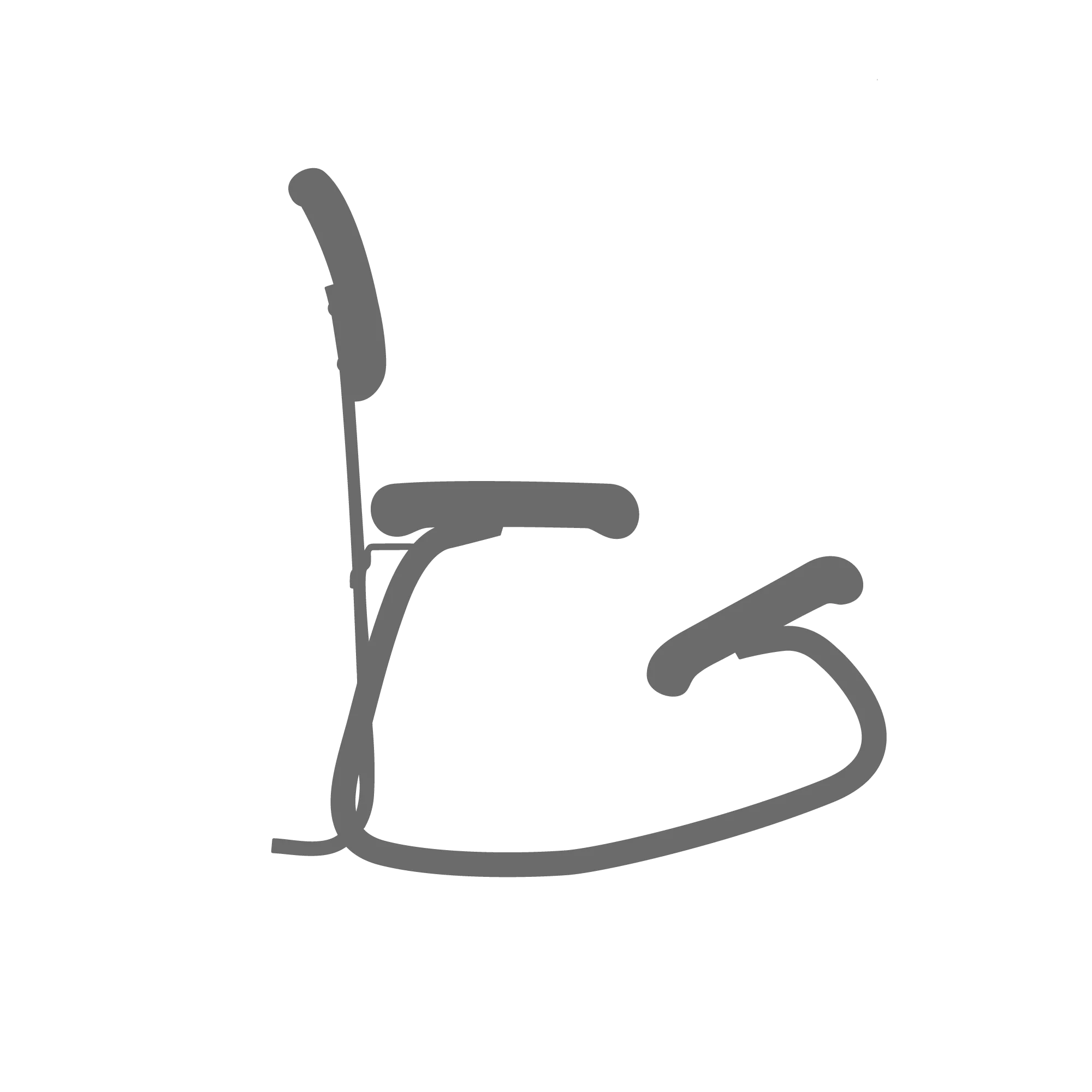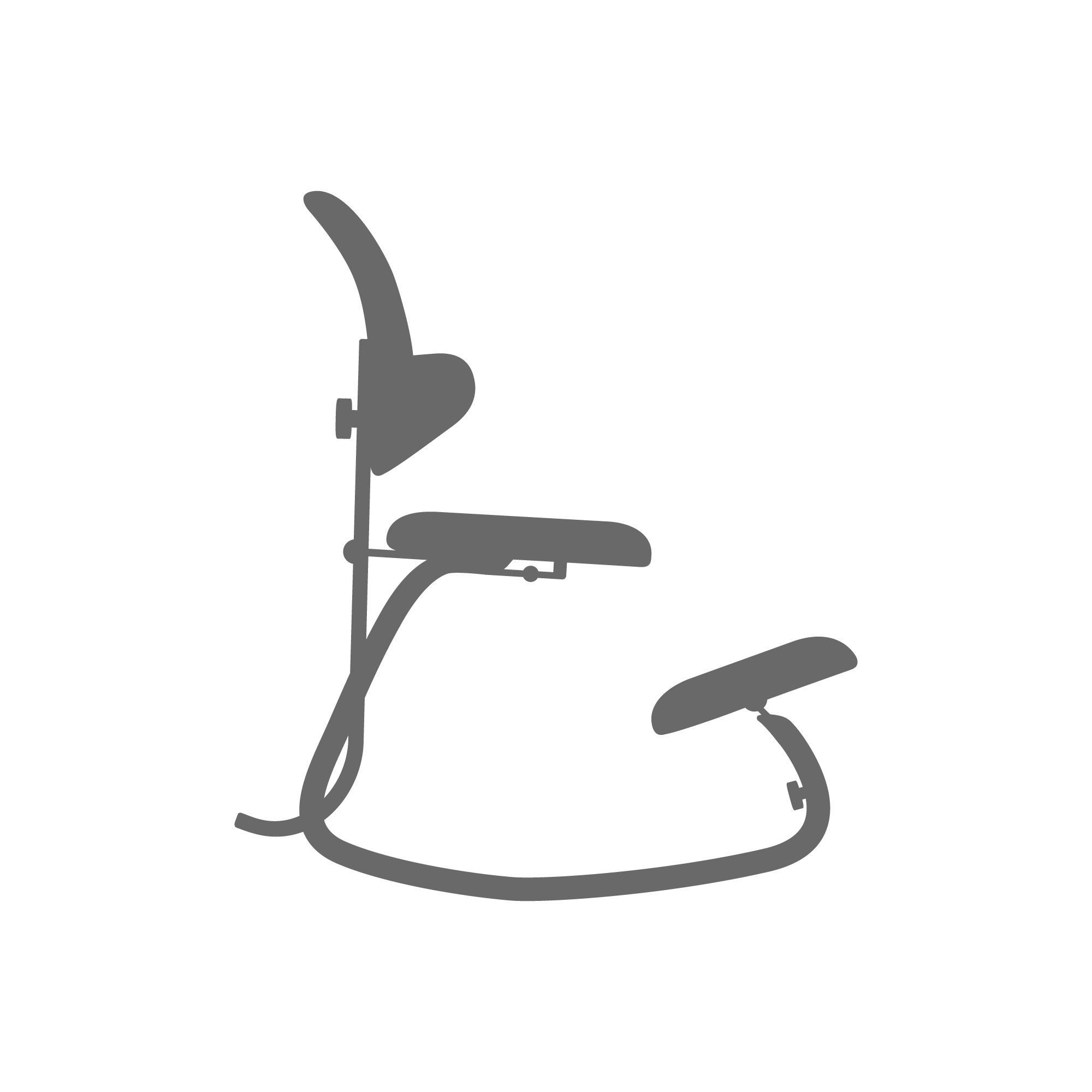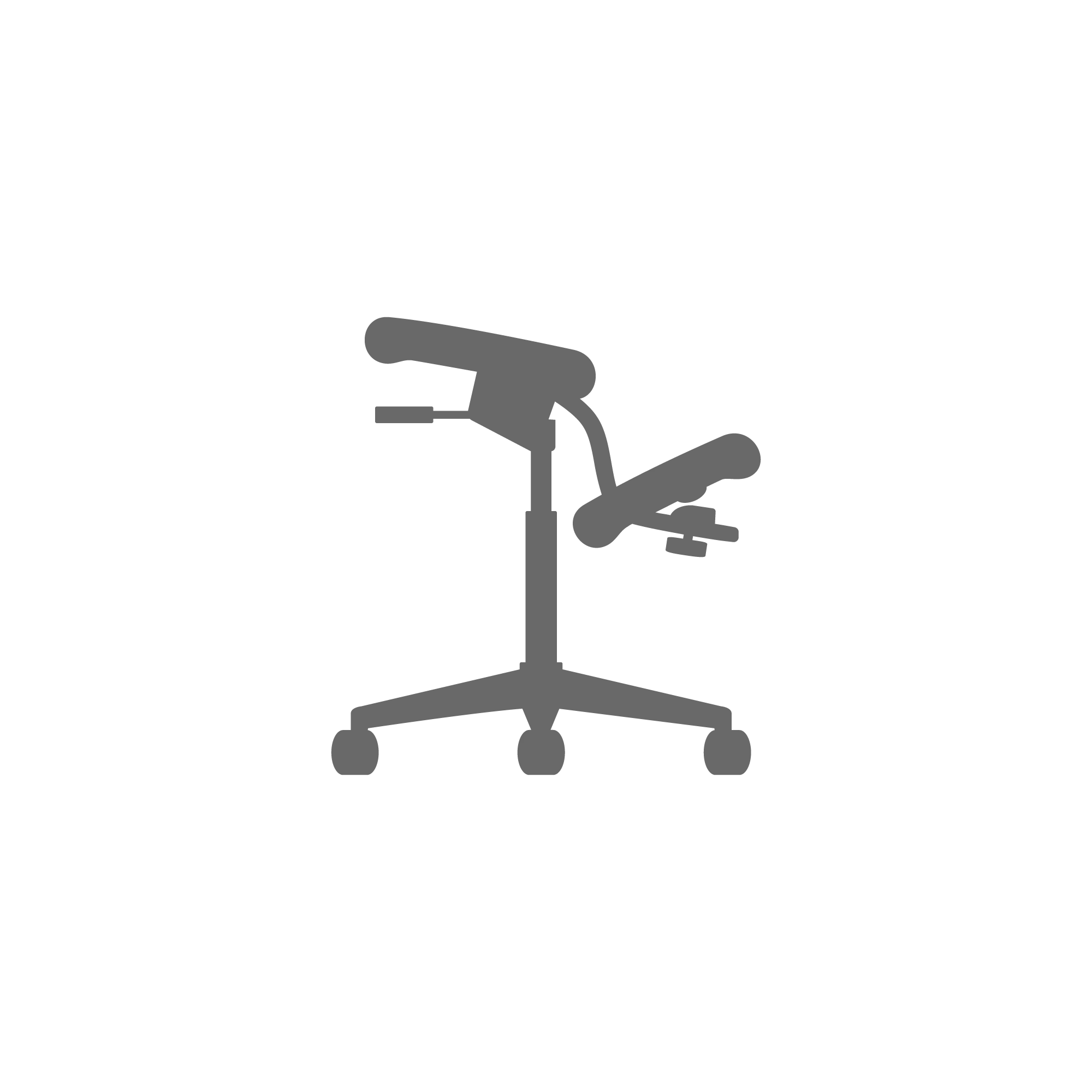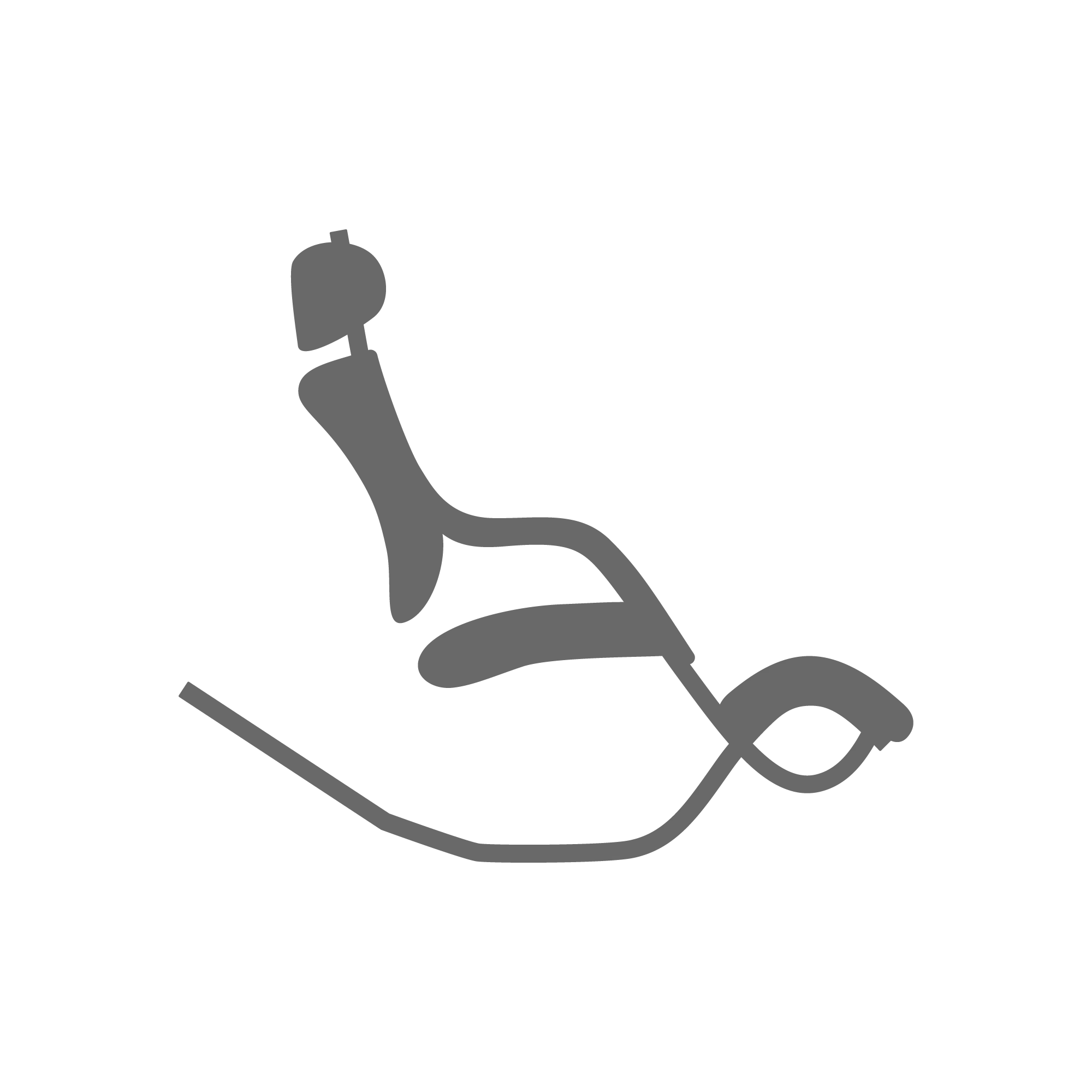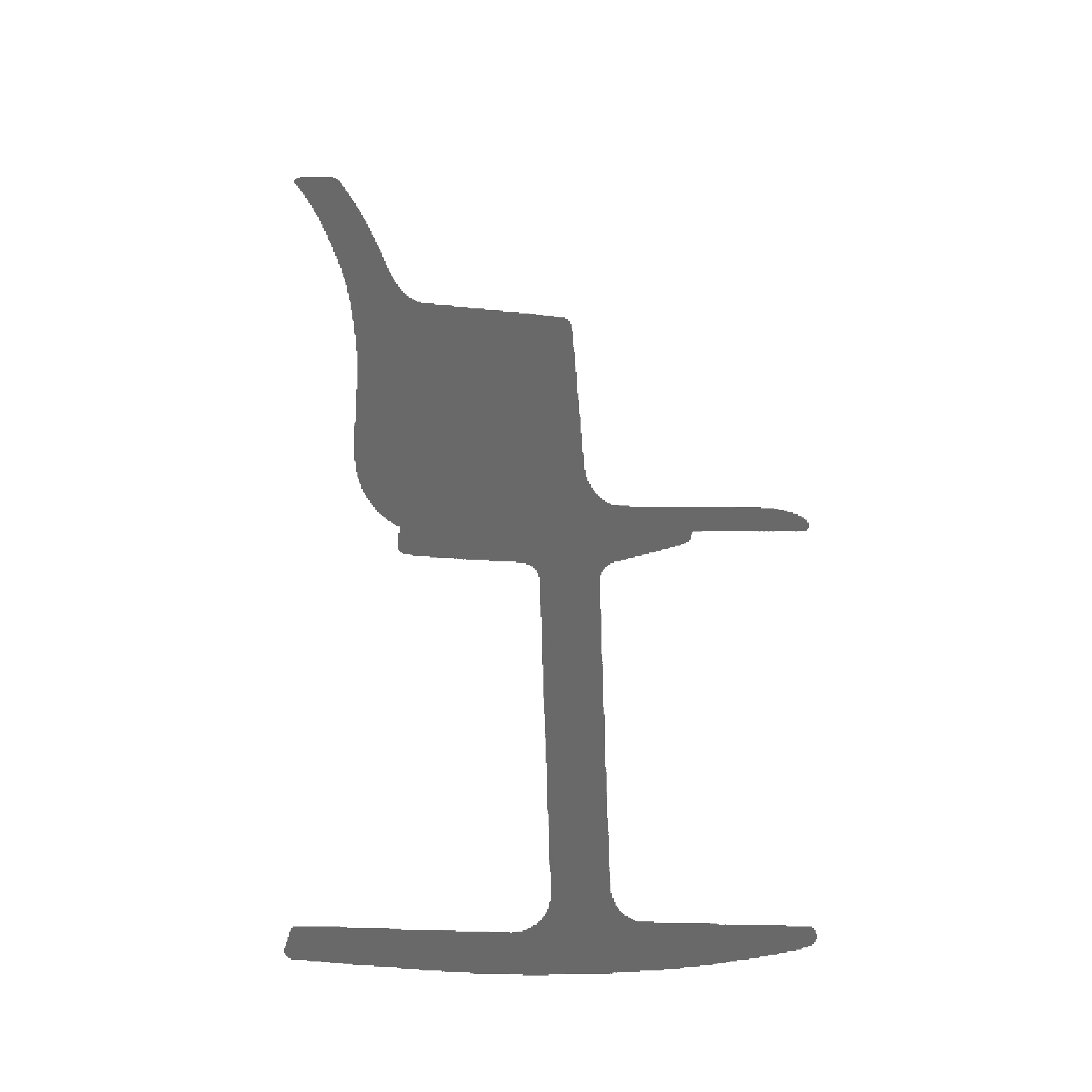
An ergonomic kneeling chair and a saddle stool both open the hip angle, but they distribute body load differently. The Varier Variable Balans shares load between the seat and the shins. A saddle stool puts the entire load on a saddle-shaped seat, with feet on the floor — the format used in dental and surgical settings, now showing up in some home offices. Both formats work; they ask the body to hold itself differently.
This page sits inside the broader comparison hub.
At a glance
| Axis | Kneeling chair | Saddle stool |
|---|---|---|
| Body load | Seat plus shins | Seat only, feet on floor |
| Hip angle | Open via forward seat tilt | Open via raised seat with thighs sloping down |
| Backrest | None or fixed | Typically none |
| Origin | Designed in 1979 by Peter Opsvik | Originated in clinical / dental practice |
| Use envelope | Full workday after adaptation | Often paired with sit-stand or short intervals |
The functional difference
Both formats free the hip angle. The saddle stool does it by raising the seat and letting the thighs slope down, with feet flat on the floor. The kneeling chair does it by tilting the seat forward and letting the shins take part of the load. Different anatomy, similar principle.
Side by side
Knee load. Saddle stool: zero. Kneeling chair: distributed across the shins. For users with knee sensitivity, the saddle stool removes that variable.
Lower-back behaviour. Both keep the lumbar spine in better alignment than a slumped task chair. The kneeling chair’s seat-plus-shin distribution adds a stabilising contact that some users find more grounding.
Footwear. Saddle stools assume firm flat-foot contact and work best with shoes on or in supportive socks. Kneeling chairs are agnostic — barefoot or shod, the shin pads do the work.
Build language. Saddle stools usually read as office or clinical equipment. The Variable reads as Norwegian furniture.
Which is right for you?
Choose a saddle stool if you have knee sensitivity, want a flat-foot stance, and don’t mind the clinical/equipment look. Choose a kneeling chair if you want the seat-plus-shin distribution and the furniture-grade Norwegian build. The best for hip pain guide is also useful — both formats target hip-angle issues, with different trade-offs.
Frequently asked questions
Is a saddle stool more comfortable for the knees?
Yes — a saddle stool puts no load on the knees. A kneeling chair puts some load on the shins; for users with knee sensitivity, a saddle stool may be the better starting point.
Does a kneeling chair give better posture than a saddle stool?
Both encourage open-hip-angle alignment. The kneeling chair’s two-point contact provides more stability; the saddle stool requires more active engagement.
Can I use a saddle stool at a regular desk?
Sometimes — the higher seat height tends to require a sit-stand desk. The Variable fits a standard 28-30-inch desk.
Which is more durable?
Both are built to last in their respective categories. Norwegian furniture-grade construction in the Variable carries multi-decade product life.
Are saddle stools just for clinicians?
No, but the format originated in dental and surgical settings where the practitioner stands at variable heights for hours. That history shows in the build language.