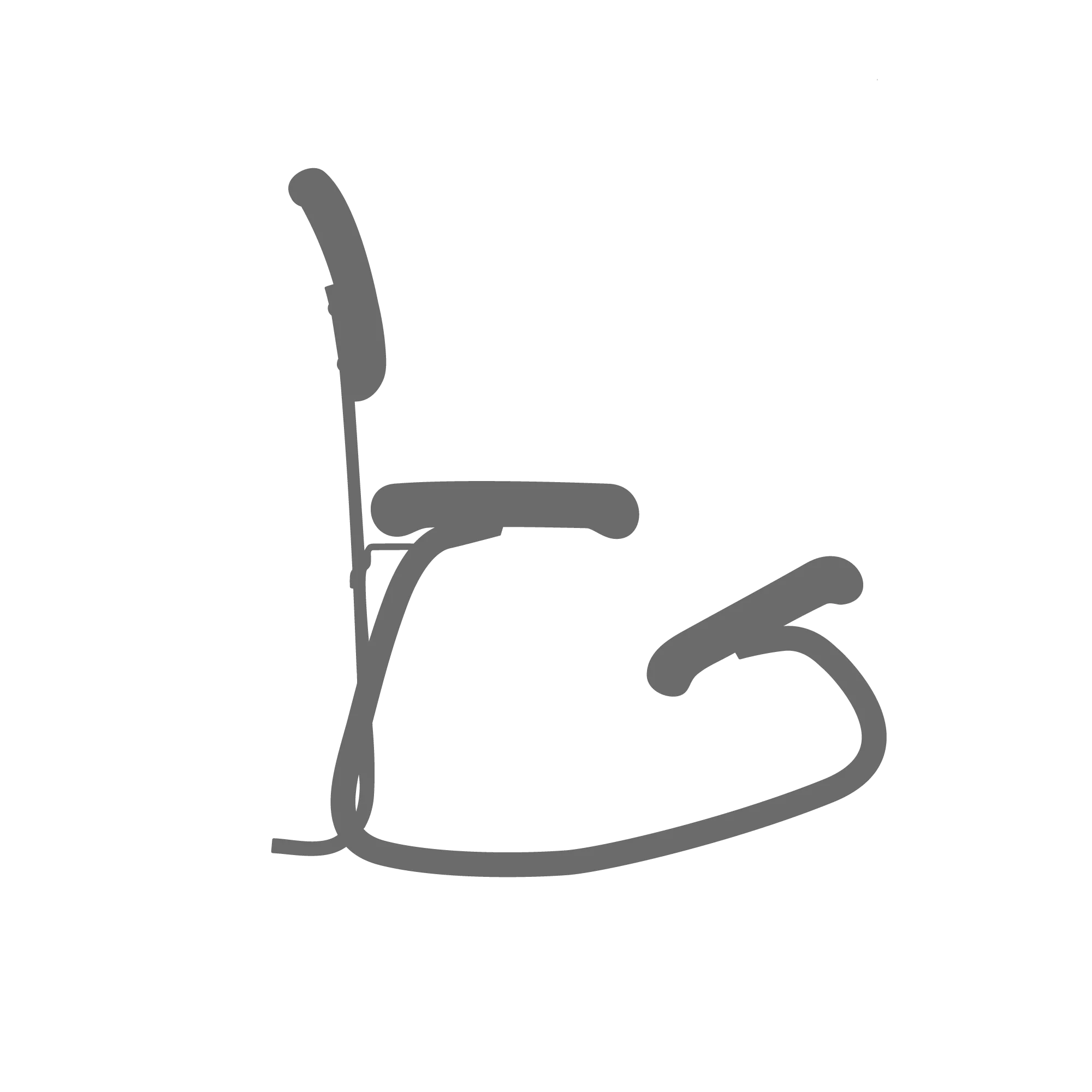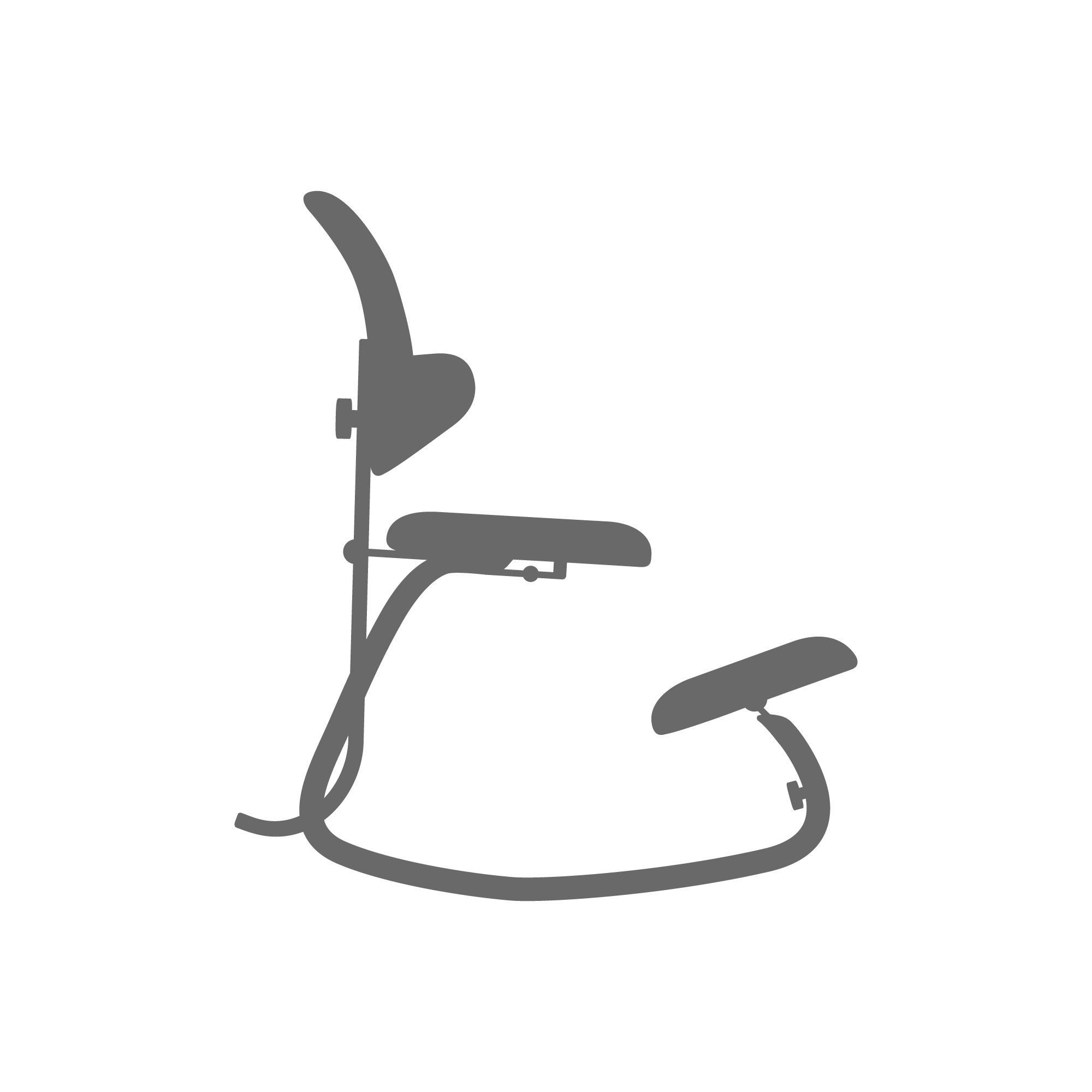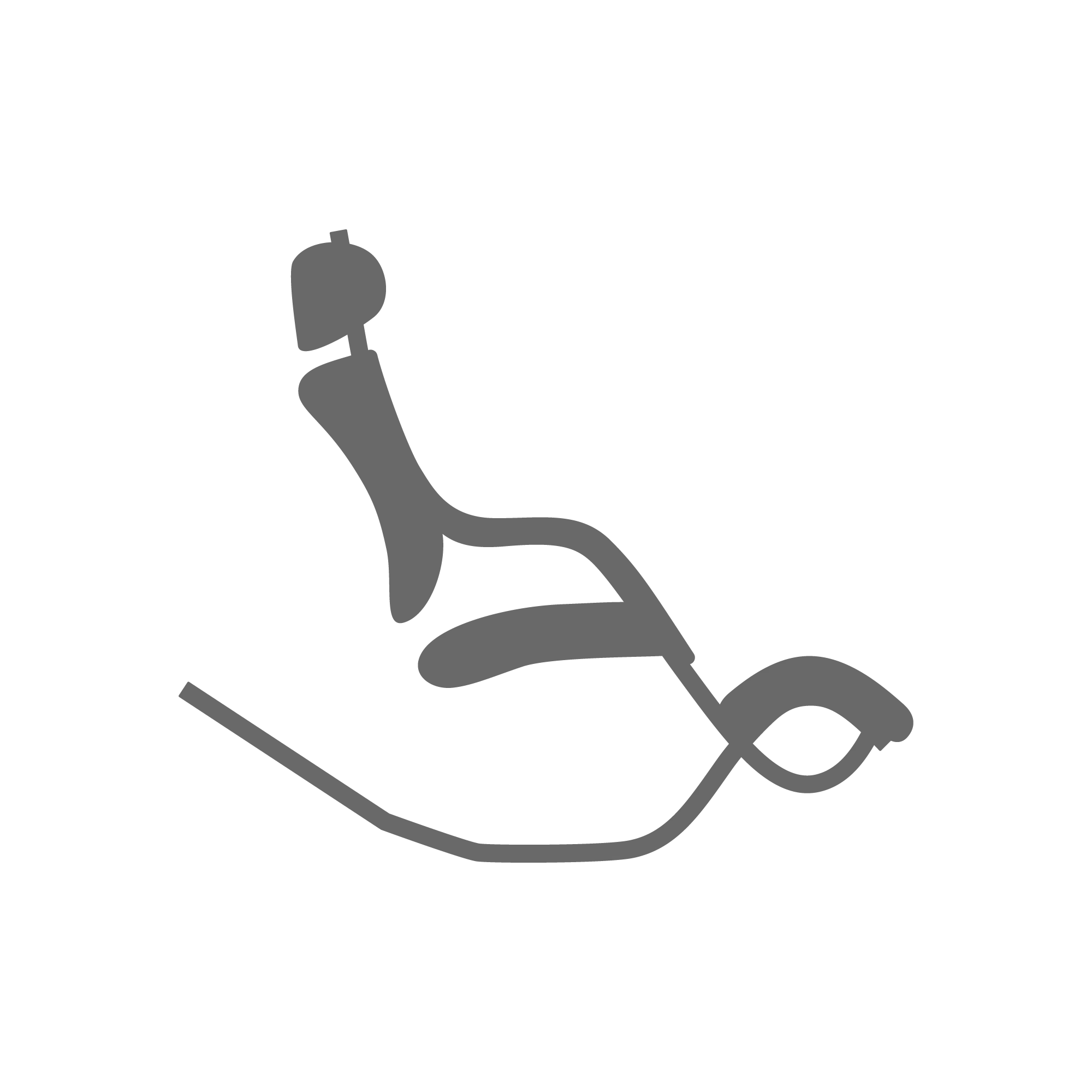
Two versions of the same 1979 platform. The Variable Balans is Peter Opsvik’s original — no backrest, no adjustments, the purest expression of the kneeling format. The Variable Plus is the same platform with a factory-fitted backrest. Same Norwegian frame, same seat geometry, same active-sitting principle behind the ergonomic kneeling chair category. The choice is binary: backrest or no backrest, on the original geometry.
This page sits inside the broader comparison hub. If you have decided you want the Variable platform but are not sure about the backrest, this is the page that settles it.
At a glance
| Axis | Variable Balans | Variable Plus |
|---|---|---|
| Backrest | None | Factory-fitted |
| Seat geometry | 1979 original, unchanged | Identical to Variable |
| Frame | Wood, original Variable form | Same wood frame plus backrest mount |
| Adaptation curve | Slightly steeper — no rest position in the chair | Slightly easier — backrest gives a rest mode |
| Price band | ~$479–$550 | ~$679+ |
| Best for | Original-design buyers | Buyers who want a backrest at the original geometry |
The functional difference
It is the backrest. That is the only meaningful change. The seat tilt, shin pads, rocker base, and frame height are unchanged from the 1979 Variable. The Variable Plus adds a backrest mount that holds you when you choose to lean back. You do not have to use it; the backrest is there for the moments when leaning back is the right move during a long workday.
Side by side
Active-sitting purity. The Variable rewards the buyer who wants the format with no compromises. The Variable Plus rewards the buyer who wants the format and a fallback rest position.
Visual weight. The Variable’s silhouette is the iconic 1979 line — clean, light, no visual mass behind the seat. The Variable Plus adds a backrest that changes the read; it is still a Variable, but it is not the original silhouette.
Cost. About $130–$200 more for the Variable Plus, depending on upholstery and configuration.
Which is right for you?
Choose the Variable if you are after the original 1979 chair, plan to commit to the active-sitting discipline without a fallback, and want the iconic silhouette. Choose the Variable Plus if you want the same kneeling geometry but expect to want a backrest some of the time — during long meetings, calls, or as a recovery position through an 8-hour workday. The Variable vs Thatsit comparison is the alternative if you are tall or want a more substantial adjustable backrest.
What buyers do
Most first-time Varier buyers who are not sure about the backrest decision lean toward the Variable Plus — having the option means the chair adapts to the day. Buyers who already know they want the no-backrest discipline pick the Variable and treat the absence of a backrest as a feature.
Frequently asked questions
Is the Variable Plus a different chair or the same chair with a backrest?
The same chair with a backrest. Identical seat, identical rocker base, identical Norwegian frame.
Can I retrofit a backrest onto a Variable?
No. The backrest mounts are part of the Variable Plus build; the Variable does not accept a retrofit.
Does the backrest change the active-sitting principle?
Only when you lean on it. When you sit forward, the backrest is not in contact and the chair behaves exactly like a Variable. Lean back and the backrest gives you a recovery posture without leaving the chair.
Is the Variable Plus a good first kneeler?
Yes. The optional backrest eases the adaptation period; many first-time kneelers report leaning back during the first week and gradually using the backrest less as their lower body adapts.
What about colours and upholstery?
Both Variable and Variable Plus are offered in the full Varier upholstery range. Pricing varies slightly by fabric. The Variable Plus’s backrest is upholstered to match the seat.