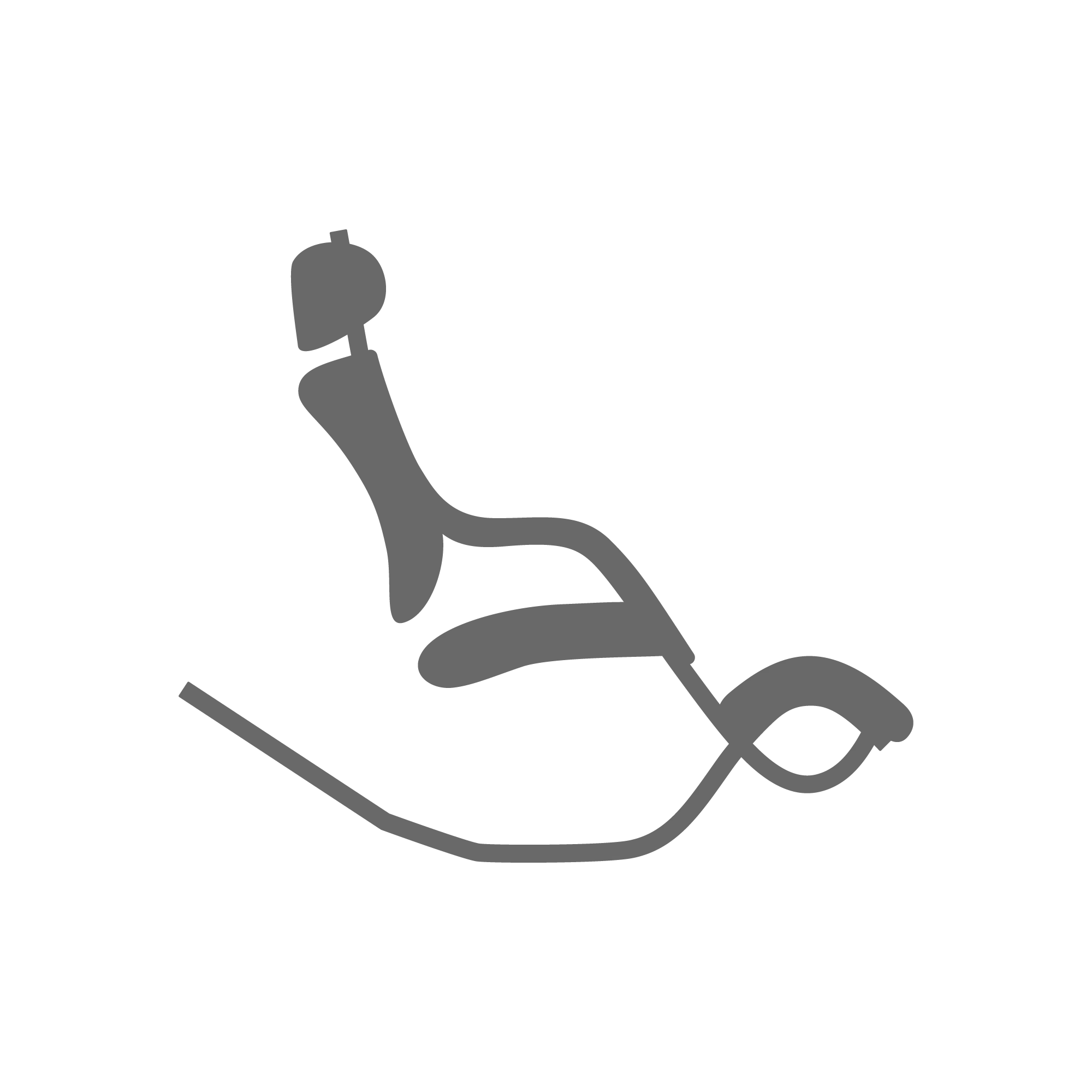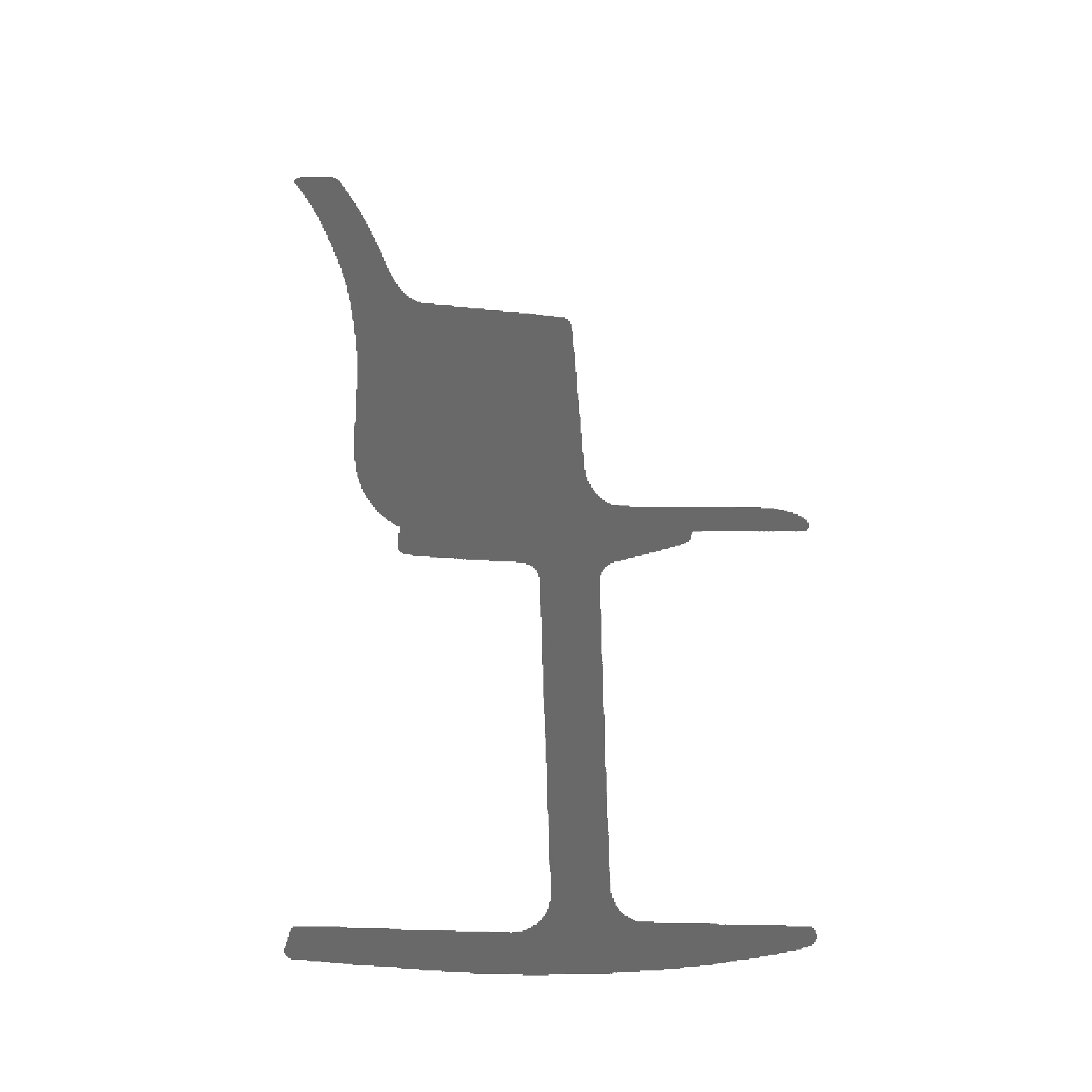
Eight hours at the screen does not have to wreck your back. The Varier ergonomic kneeling chair keeps you in motion so the workday ends without the slump. Designed by Peter Opsvik in 1979 and produced in Norway ever since, the Variable line is built for the buyer whose day is a full eight hours plus or minus. This page sits inside the broader best ergonomic kneeling chair hub.
Why the 8-hour day asks for posture rotation
Eight hours is enough to compound any small posture problem into a real one. The 8-hour buyer needs not just the right chair but the right rotation pattern: kneeling for focused stretches, leaning back when the chair allows it, short standing breaks every couple of hours, and the occasional walk. The chair has to support that rotation rather than fight it. Active sitting on a Variable is exactly that — you can shift, lean, rock, and reset without leaving the chair, and the geometry encourages micro-movement during the times you do not.
Top picks for 8-hour workdays
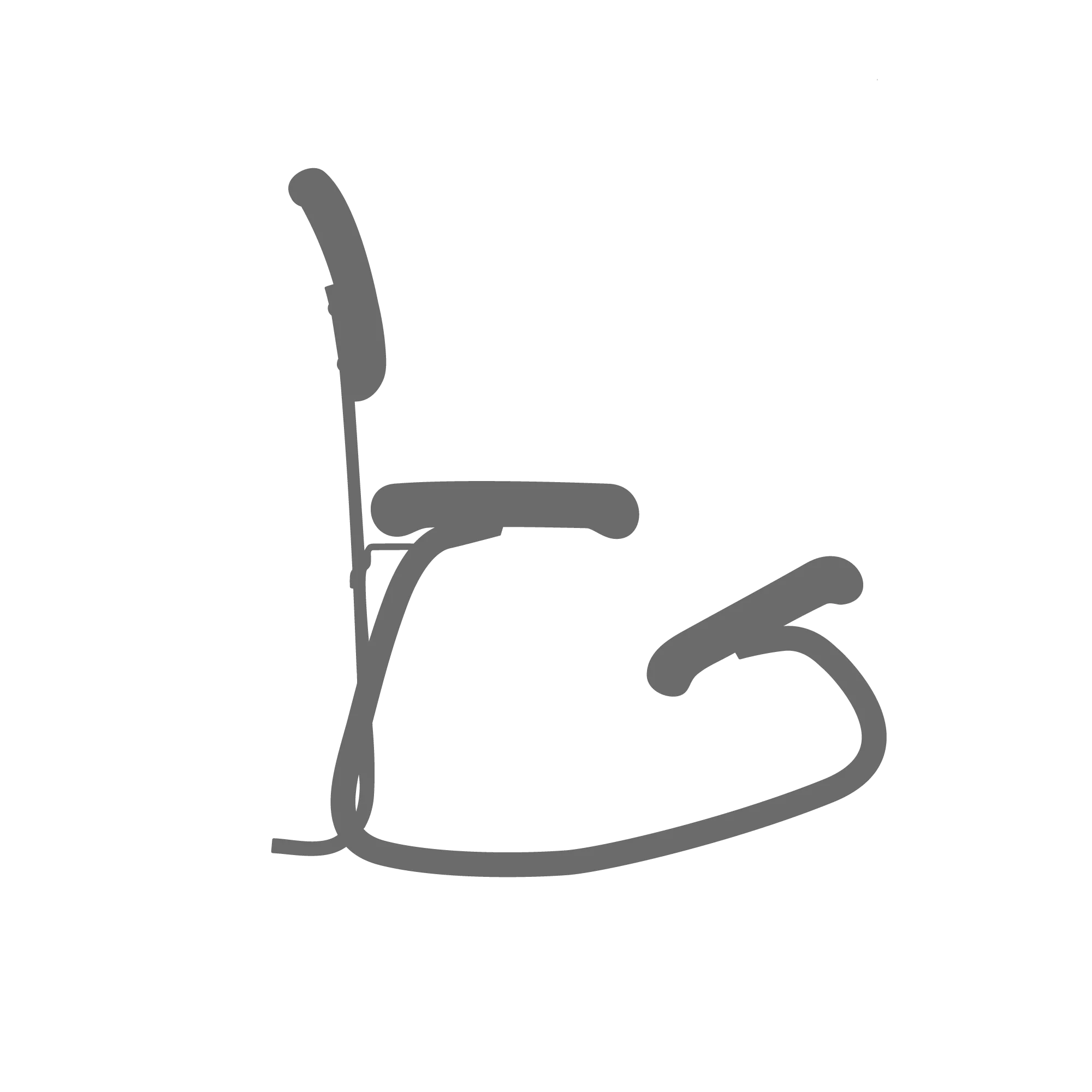
1. Thatsit Balans — the right chair for most 8-hour days. Adjustable backrest gives a recovery position for meeting blocks; the active-sitting geometry holds the spine through focused work; the taller frame suits longer sittings.
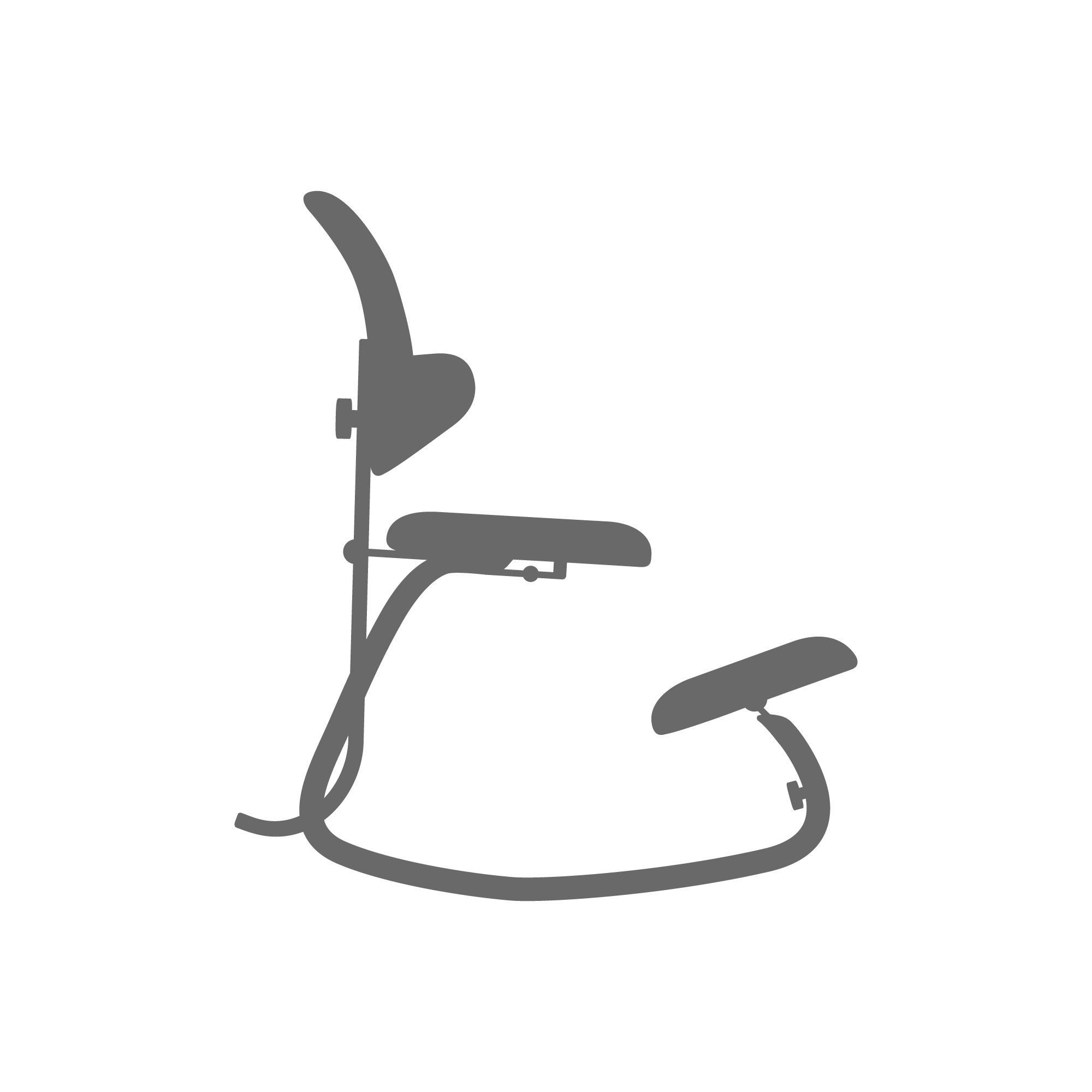
2. Variable Balans — the no-backrest discipline for buyers who pair the chair with intentional standing breaks every two hours. Works well for buyers whose 8-hour day is heavy on focused work and lighter on calls.
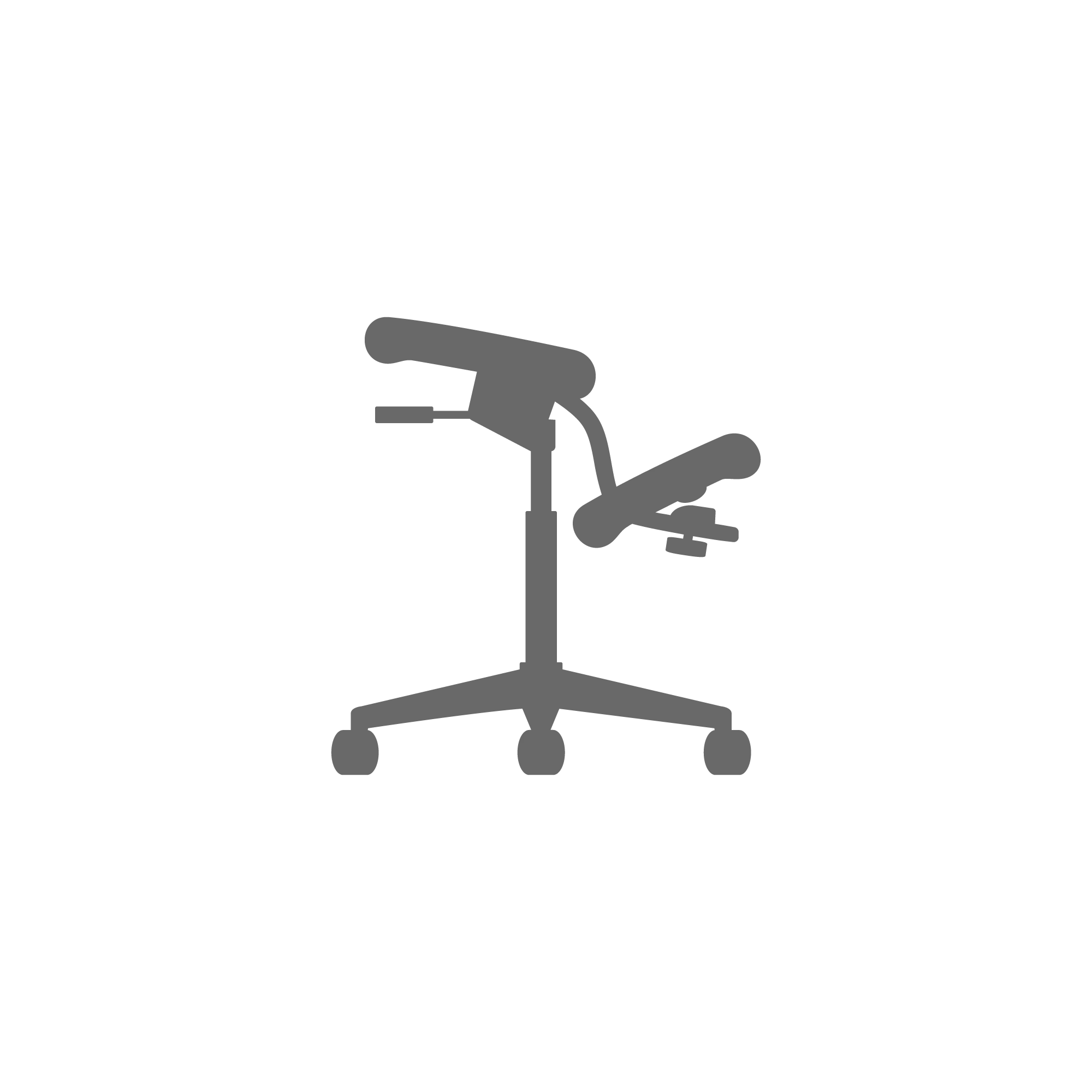
3. Move stool — the standing-desk partner. For buyers whose 8-hour day already includes standing-desk intervals; the Move handles the perched intervals between standing periods.
How we evaluated for 8-hour workdays
We tested how the chair holds up across a full continuous workday — does the upholstery stay comfortable, does the geometry stay true, does the chair encourage enough rotation to keep one posture from compounding into pain. The criterion is whether the workday ends without back strain, not whether the first hour feels good.
What 8-hour buyers should look for
Build robustness, geometry that holds across hours, and a rotation pattern that makes the chair part of a sensible workday. The Thatsit’s adjustable backrest and Variable’s no-backrest discipline are different answers to the same 8-hour question. The kneeling chair vs office chair page is also useful for buyers comparing the format options.
Frequently asked questions
Can I really do 8 hours on a kneeling chair?
Yes — once the adaptation period is past. Most buyers alternate kneeling with short standing breaks; few sit in any chair for eight straight hours.
Should I take more breaks on a kneeling chair?
Roughly the same as on a task chair. The micro-movement built into the kneeling format means standing breaks are about variety, not necessity.
Is the Thatsit definitely better than the Variable for 8-hour days?
For most 8-hour workers, yes — the backrest gives a recovery position. Buyers who prefer the no-backrest discipline still do 8-hour days on a Variable; they just rotate with standing breaks.
Does my back actually hurt less by the end of the day?
The chair does not make medical claims. Most users report less back strain through long workdays after the adaptation period, framed descriptively.
What if I need to take calls back-to-back?
The Thatsit’s backrest works for back-to-back calls. The Variable holds upright posture for calls without conscious effort.