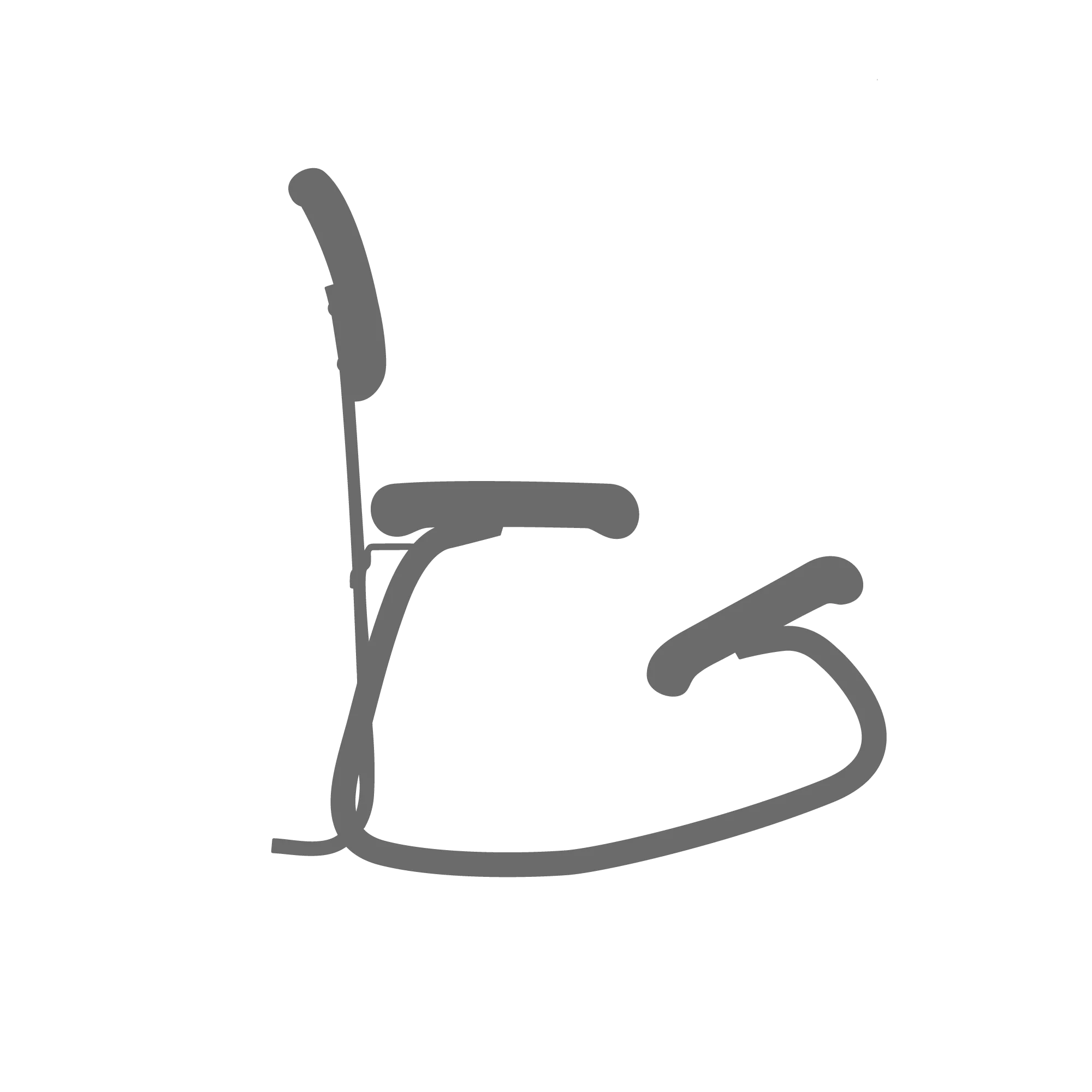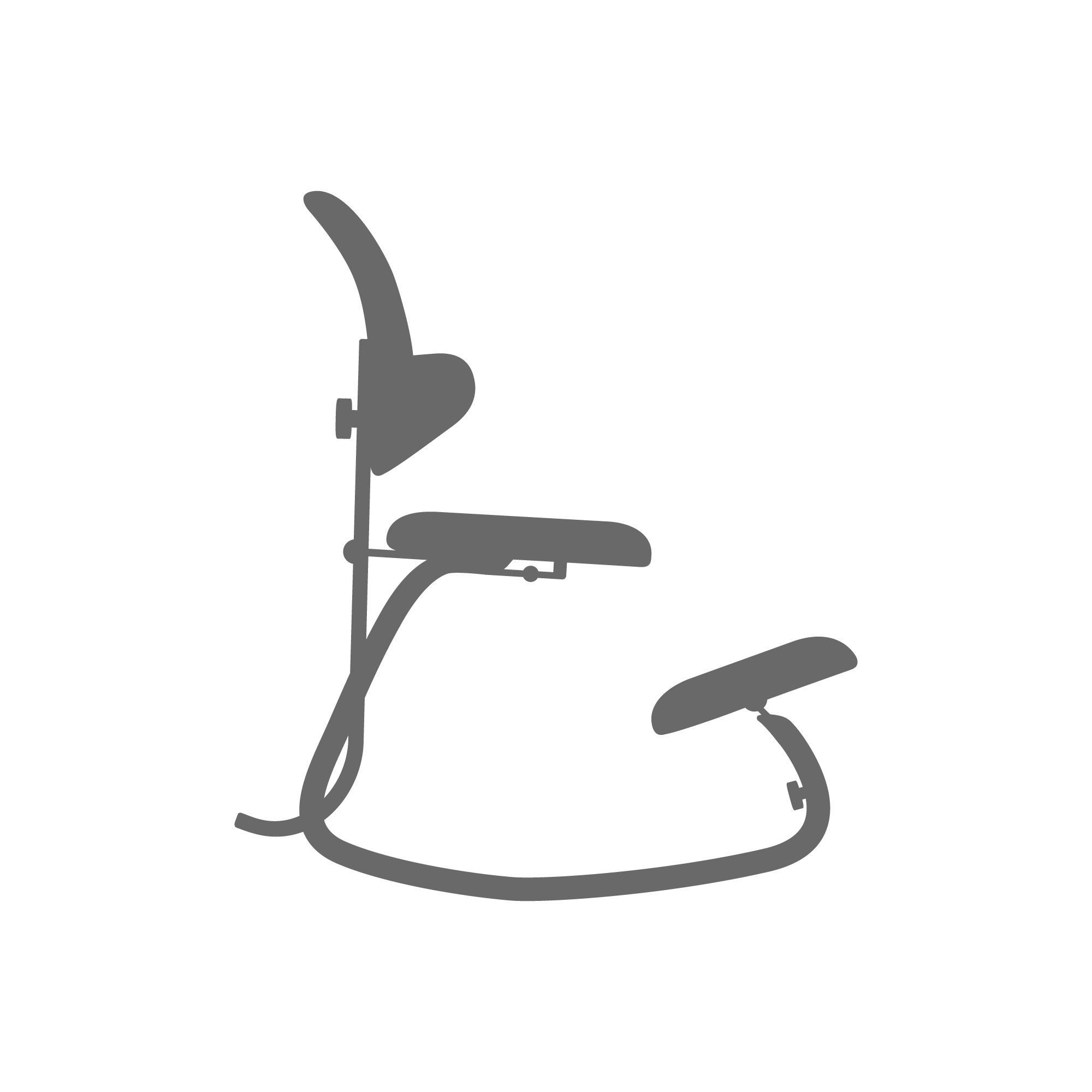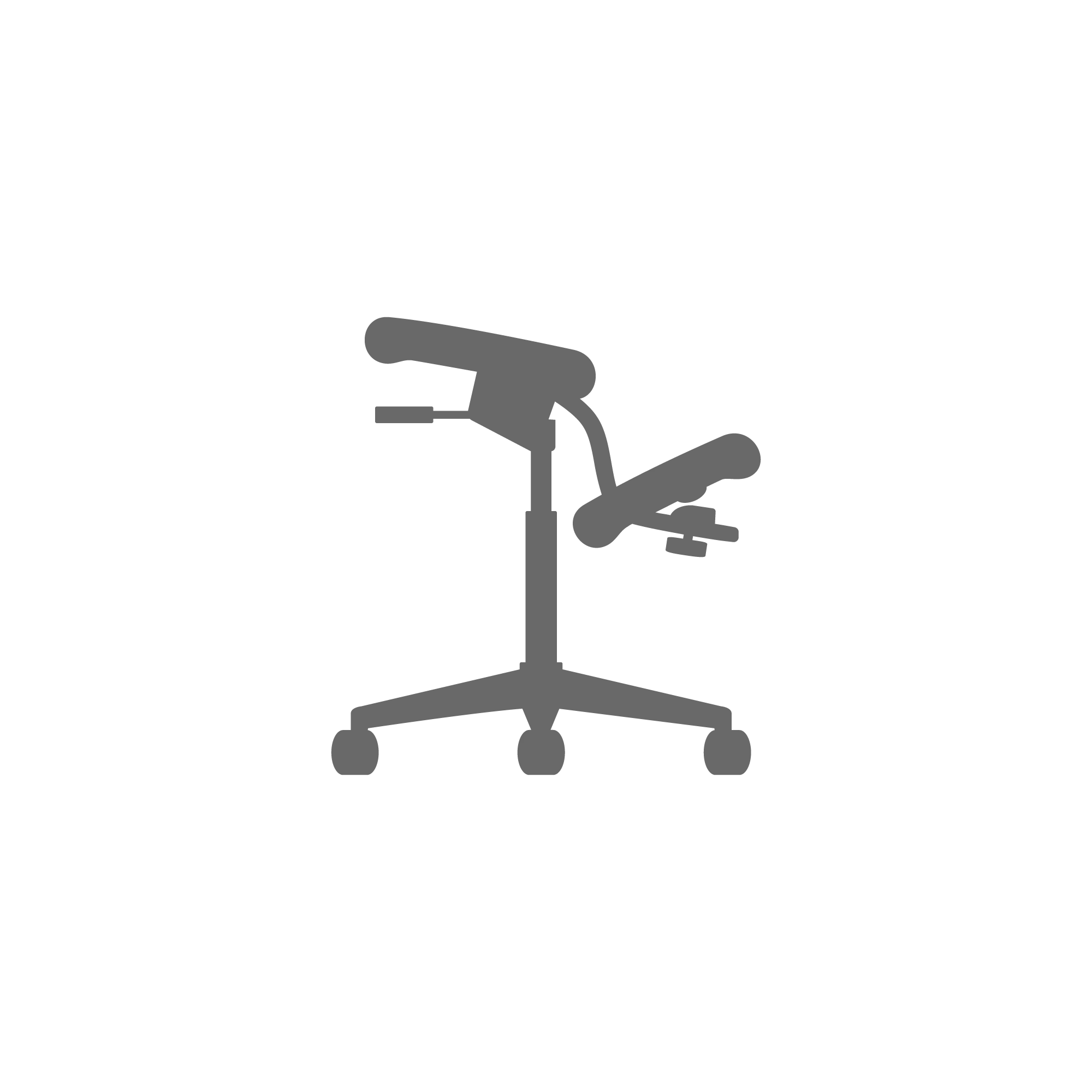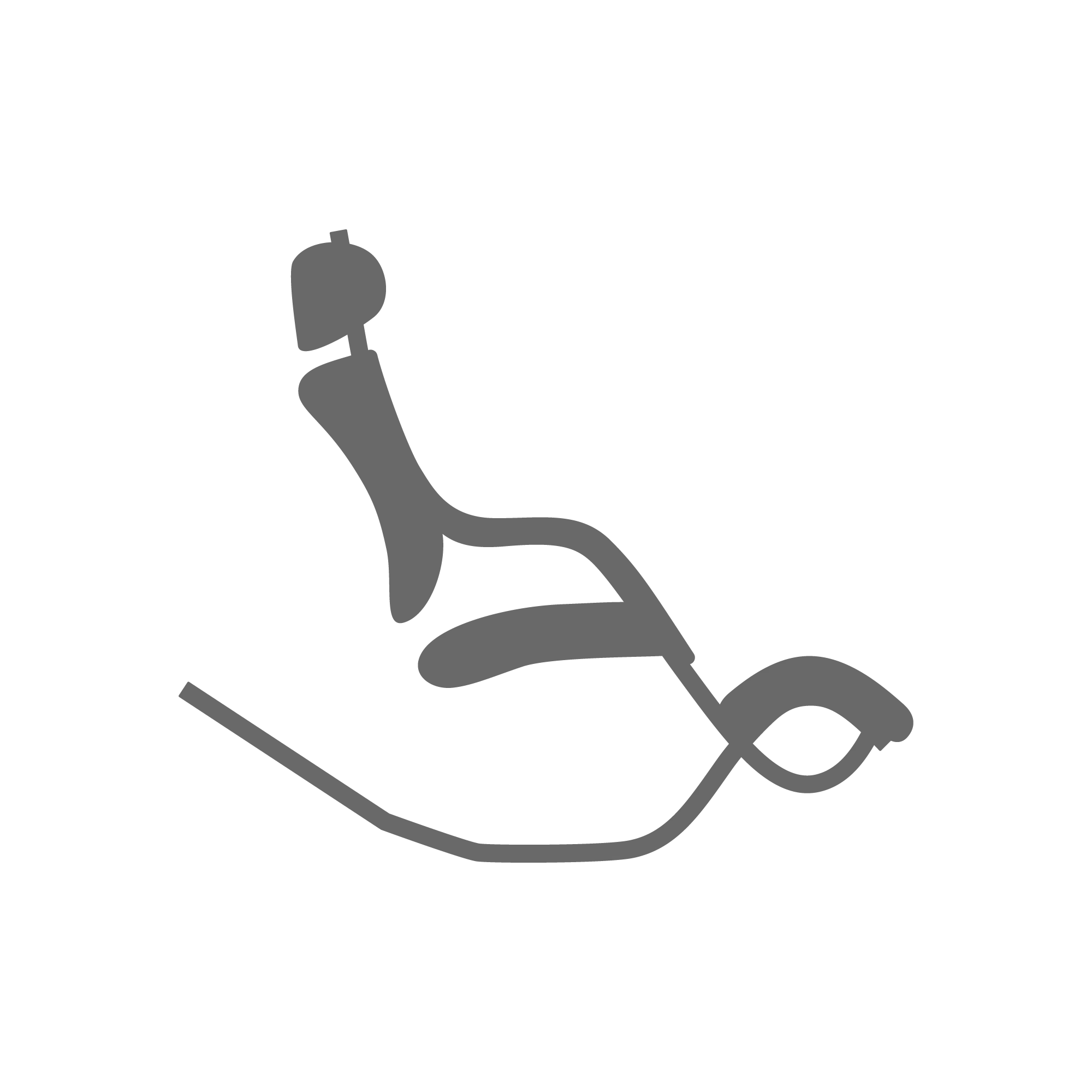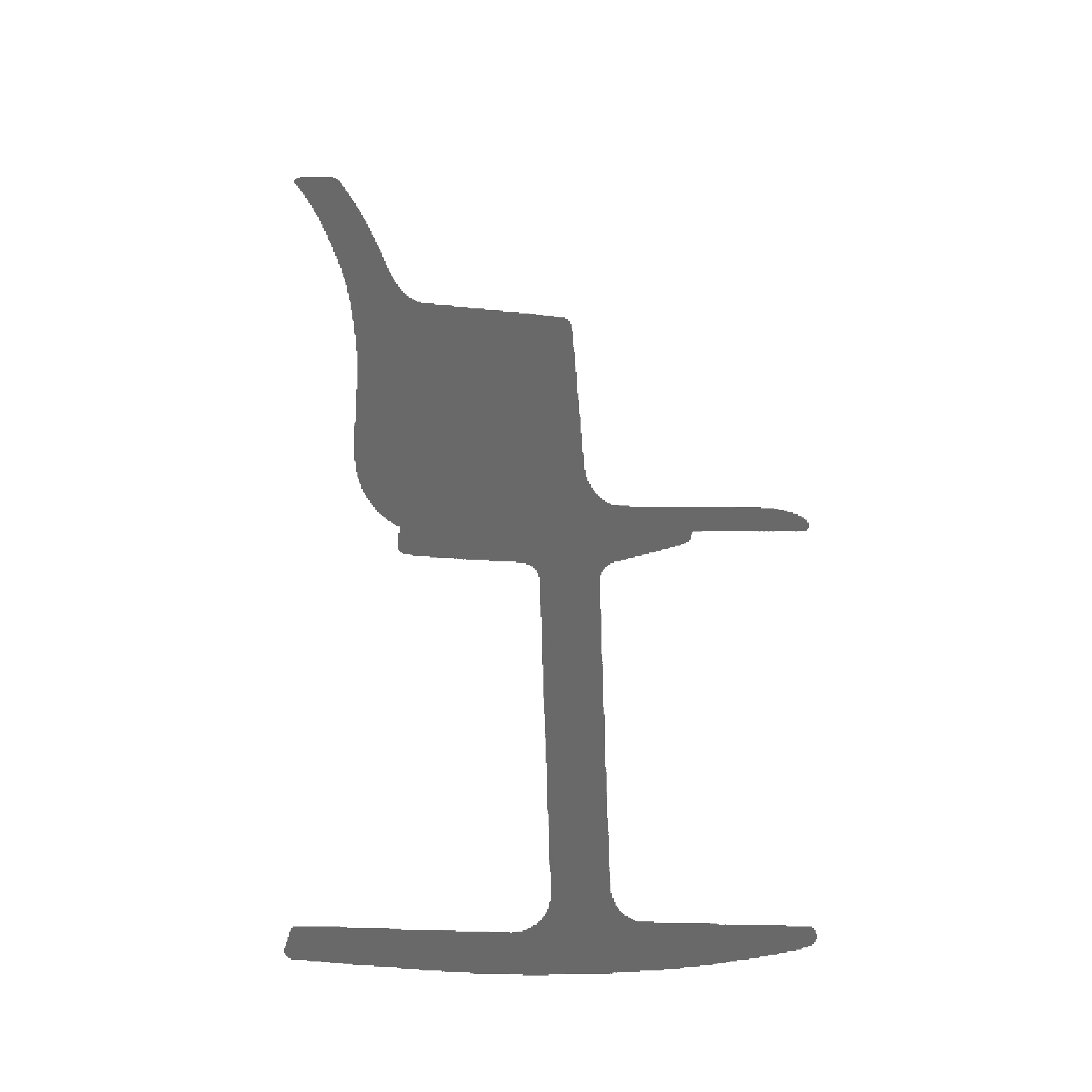
The best ergonomic kneeling chair is the one matched to your workday. Back pain looks for one thing; a tall frame looks for another; a small home office looks for something else again. This page collects every audience-fit recommendation we publish, with the Variable, Thatsit, Wing, Multi, Move, Gravity, and Ekstrem each lined up against the buyer who fits them best.
Every recommendation traces back to the ergonomic kneeling chair hub, where the design principle behind active sitting — open hip angle, unrestricted micro-movement, weight shared between seat and shins — is set out in detail. From there, pick the audience that matches you and step into a page written for that specific use case.
By health framing
- Back pain — open the hip angle and reduce lumbar compression.
- Posture — improve alignment without consciously thinking about it.
- Lower back strain — the lumbar-focused recommendation.
- Hip pain — open-hip-angle reasoning specific to hip flexion.
By body fit
- Tall users — the Thatsit Balans, sized for users up to about 6’4″.
- Short users — Variable and Wing seat geometries that suit smaller frames.
- Heavy users — furniture-grade Norwegian build, engineered for daily load.
By workday context
- Home office — chairs that read as furniture in a home, not gear in a cubicle.
- Long workdays — built for hours, not 30-minute novelty stints.
- Hybrid work — the home-half answer for split-week schedules.
- 8-hour workdays — the through-the-day rotation strategy.
- Standing-desk users — the Move stool plus the Variable as the active-sitting pair.
- Small spaces — the Variable Balans as the compact entry kneeler.
By role
- Programmers — long focus blocks, active spine.
- Designers — heritage and Norwegian design language as part of the studio.
- Writers — through the long quiet stretch of focused work.
- Students — desk hours that need a chair, not a stool.
- Creatives — Peter Opsvik’s 1979 design language at the studio desk.
How we picked the lineups on each page
Every audience page names three Varier products in ranked order — the top pick, the alternative if the first is wrong for you, and the one to consider if your workday looks slightly different. We do not invert the ranking just for variety; the same chair often wins for two adjacent audiences when the underlying need overlaps. Where the audiences diverge — tall users, small spaces, standing-desk pairing — the recommended product changes meaningfully and the page explains why.
Heritage you can lean on
Norwegian, since 1979. Designed by Peter Opsvik. The Balans family — Variable, Thatsit, Wing, Multi, and Gravity — has been continuously produced ever since. That heritage matters in the audience-fit context because it tells you the chair you pick today is not a passing fashion. The Variable was a 1979 design that competitors are still copying.
Frequently asked questions
How is the “best” chair decided per audience?
By the workday shape that audience actually has. Long workdays look for endurance; tall users look for seat height; small spaces look for footprint; back pain looks for the angle of the seat relative to the lumbar spine. The right Varier model differs by what the buyer is actually solving for.
Will my audience overlap two pages?
Often. A tall programmer working a hybrid week might fit three audience pages. The first paragraph of each page tells you which one to read first, and they cross-link.
Are kneeling chairs only for back pain?
No. Back pain is the single most common motivation, but design-led shoppers, posture-curious researchers, and standing-desk users come from different angles. The audience pages are organised so each entry point reads cleanly without forcing the back-pain framing on every reader.
Can a kneeling chair replace a desk chair entirely?
For most users, yes — once they have built up to it. The first week or two is a ramp; by week three the kneeling chair is the primary seat with short standing or leaning breaks woven in. The 8-hour workday page lays out the rotation pattern.
What if I am between recommendations?
Email the Varier team or open a chat from any product page. We are not pushy in pre-purchase support; the goal is to land on the chair that fits, not to close.