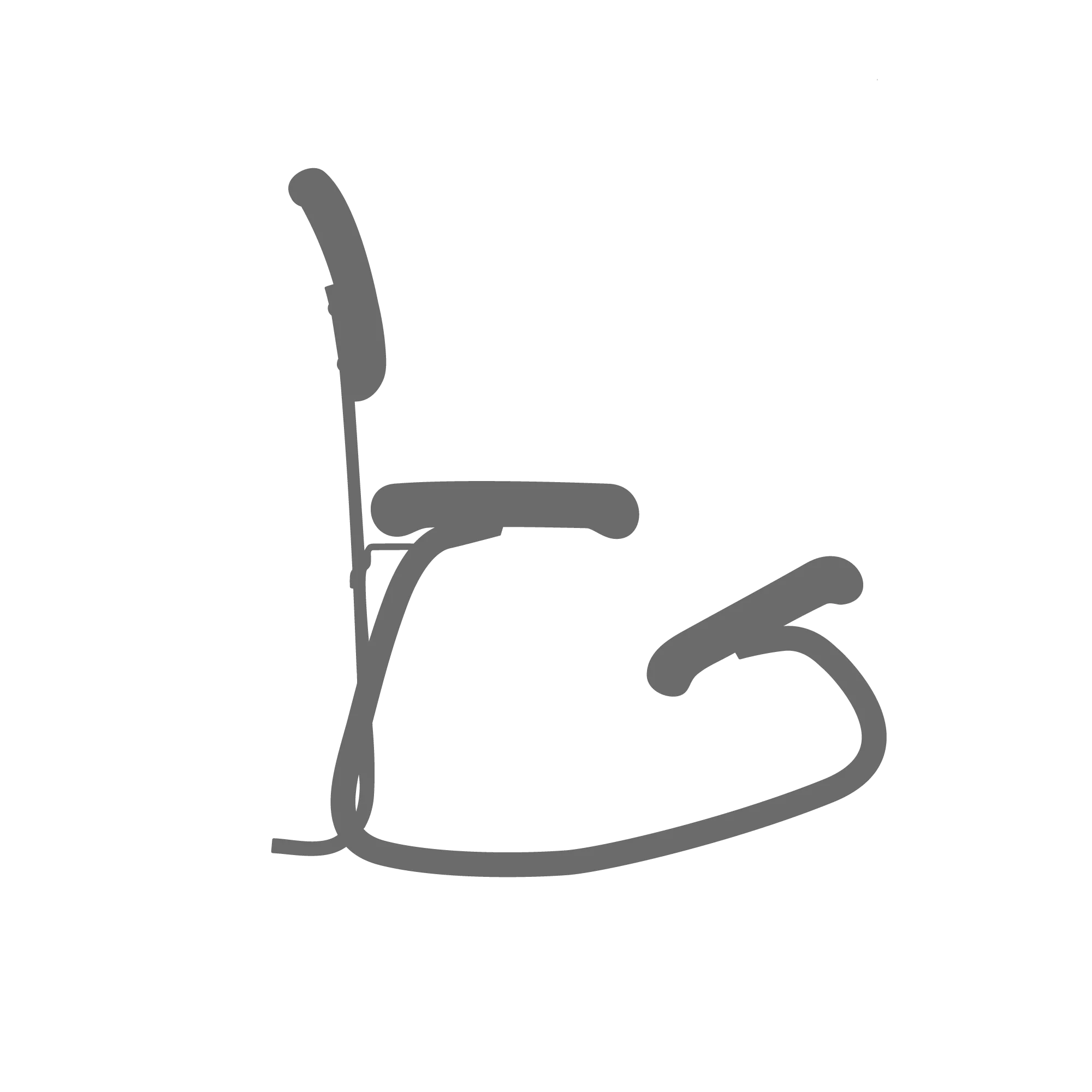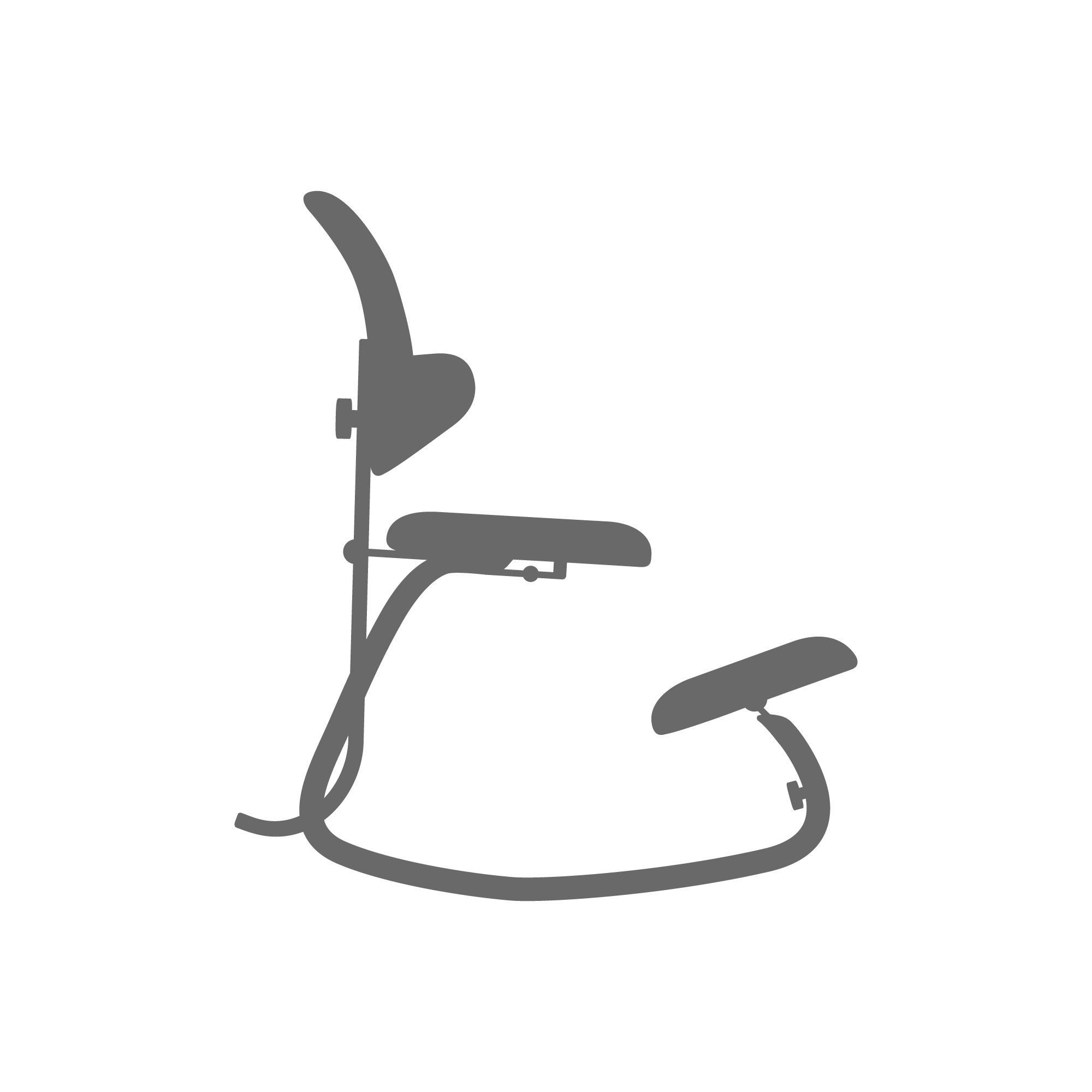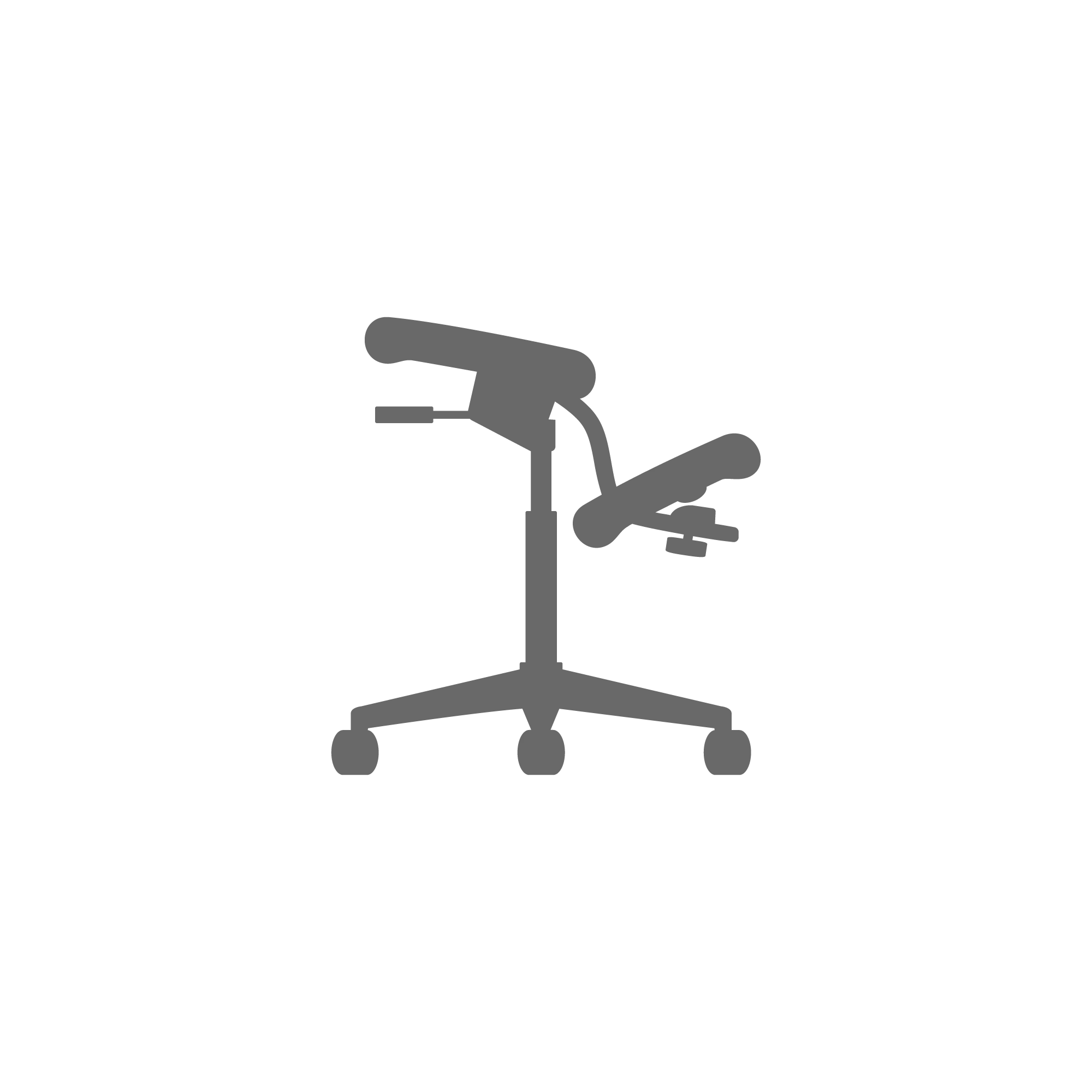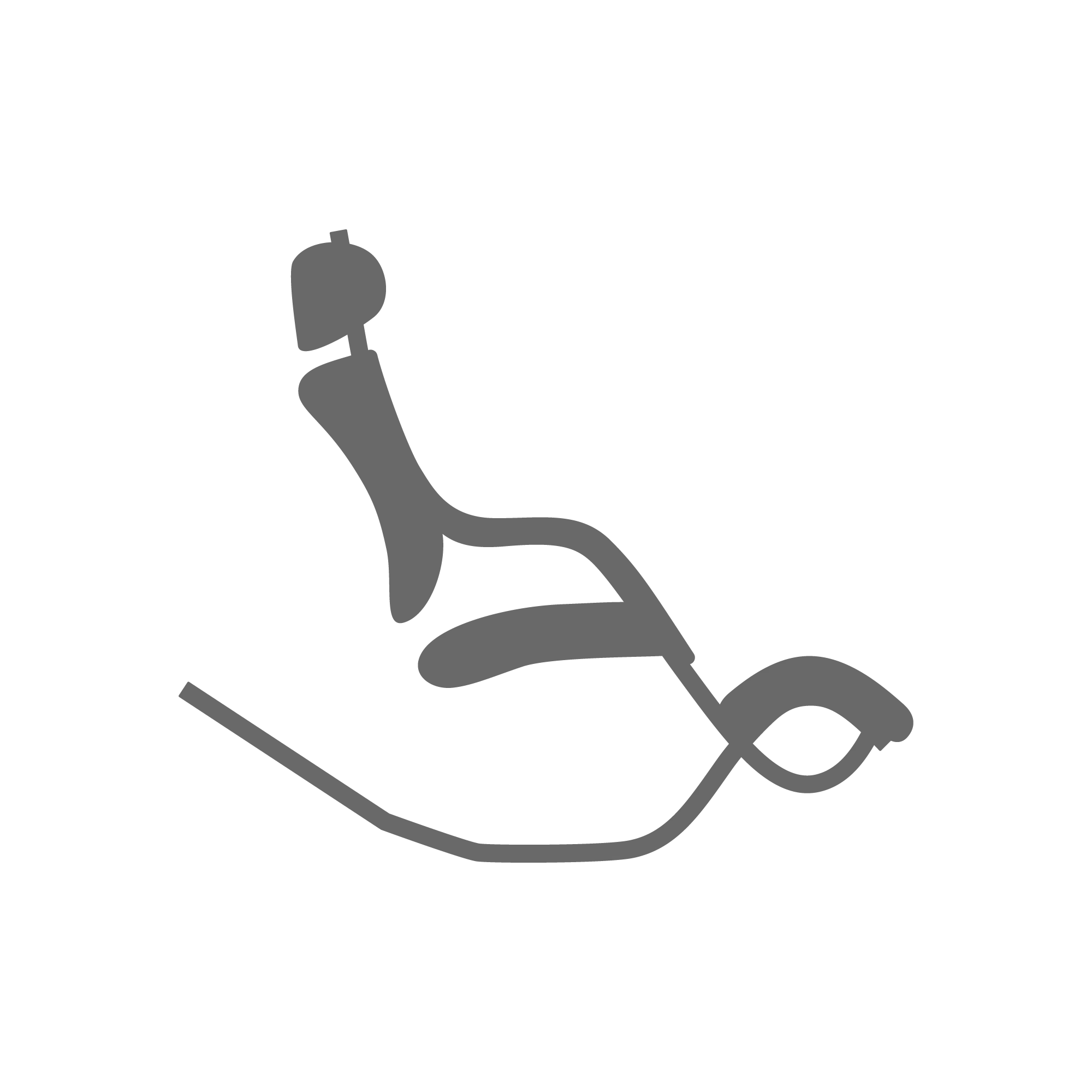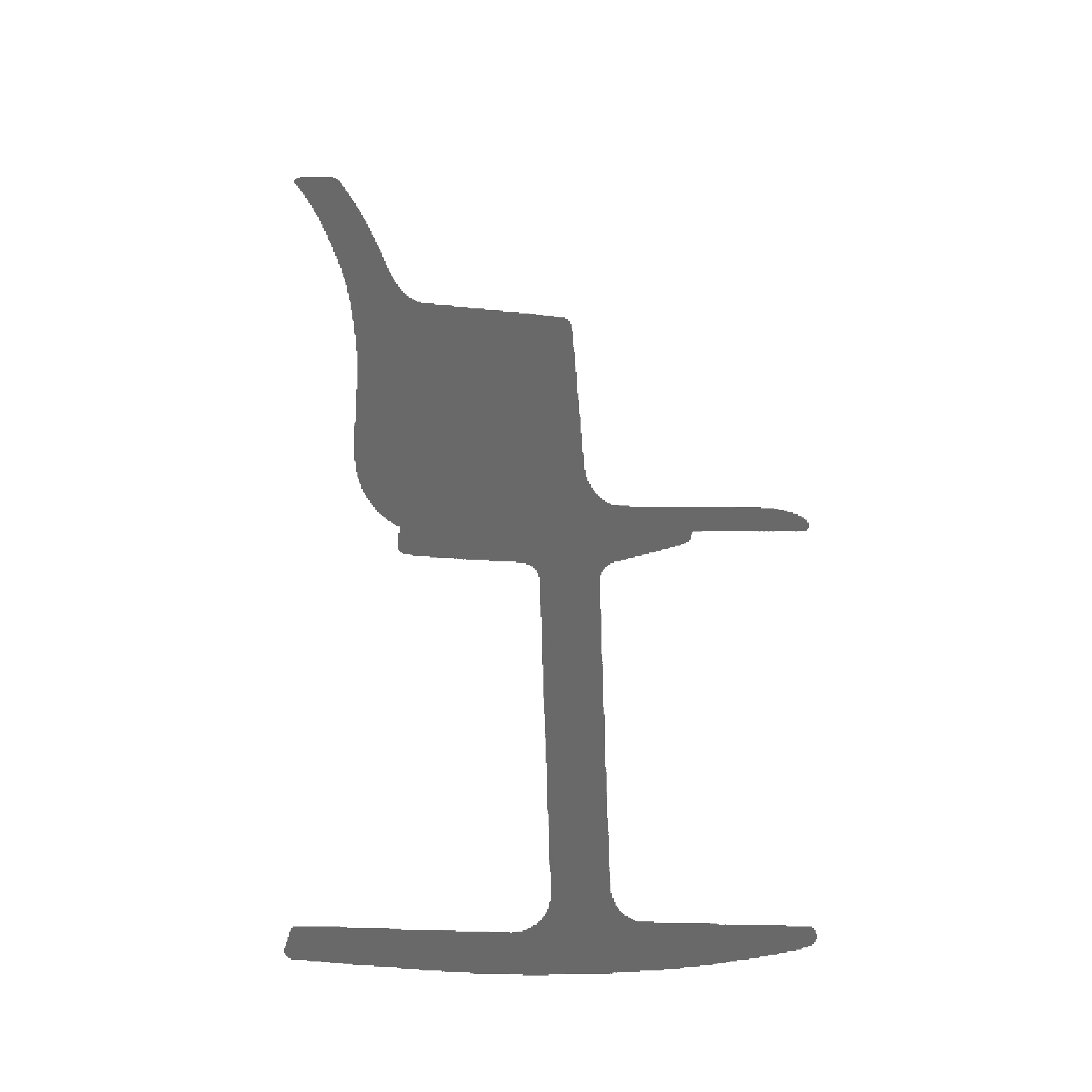
An ergonomic kneeling chair and a standing desk are two answers to the same problem — long sitting hurts the body — and they are not mutually exclusive. The kneeling chair changes how you sit. The standing desk changes whether you sit. Many users end up with both. The Varier Variable Balans is the kneeling-chair archetype, designed by Peter Opsvik in 1979; the Move stool is the active-sitting partner if you decide a standing desk is part of the answer.
This page sits inside the broader comparison hub. Read it if you are deciding which intervention to make first, or whether to make both.
At a glance
| Axis | Kneeling chair | Standing desk |
|---|---|---|
| What it changes | How you sit | Whether you sit |
| Spinal load | Lower lumbar pressure via open hip angle | Eliminates seated load when standing |
| Energy demand | Low — kneeling is restful | Higher — standing burns more energy |
| Setup cost | $479+ for a Variable | $200–$1,500+ for a sit-stand desk |
| Combined use | Pairs with sit-stand desk via Move stool | Pairs with kneeling chair for the seated half |
The functional difference
A kneeling chair lets you sit better. A standing desk lets you stop sitting. They solve different parts of the same problem and are most effective in combination — alternate kneeling on a Variable with standing intervals at a sit-stand desk, with the Move stool as the bridge for shorter perched intervals.
Side by side
Single-intervention impact. A standing desk eliminates seated load when standing but does nothing for the seated half of the day. A kneeling chair changes the seated half but does not introduce standing. Each fixes a different half of the problem.
Cost. A Variable is a one-time furniture purchase. A standing desk is also one-time but typically larger. The combination is the most complete answer; the kneeling chair is the higher-leverage single purchase if the desk you have is fixed-height.
Workday rotation. Standing-only days are rare and not the goal. Kneeling-only days are common and effective. The combination of standing intervals + kneeling intervals + short walking breaks is the pattern most users land on.
Which is right for you?
Choose the kneeling chair first if you have a fixed desk, your back hurts, and you want a single-purchase intervention. Choose the standing desk if you already have a comfortable seated solution and want to add standing intervals. Combine if you can — a Variable plus a sit-stand desk plus a Move stool is the full toolkit. The standing-desk users guide covers the pairing logic.
Frequently asked questions
Should I get a kneeling chair before a standing desk?
If your back is the problem, yes. If you already have a seated solution that works, the standing desk is the next intervention.
Can I use a kneeling chair at a standing desk?
The Move stool is the better partner for a standing desk; the Variable is for fixed-height desks. See Move vs Variable.
Does standing fix back pain?
It removes seated load when you stand, which reduces lumbar compression for those intervals. It does not fix poor seated posture during the seated half of the day.
How long should I stand each day?
Most workday-shape research lands on a rotation: short standing intervals built into the day rather than long all-day standing. The kneeling chair carries the seated portion comfortably.
Can I do both for back pain specifically?
Yes — the combination of an open-hip-angle kneeling chair and standing intervals is the pattern many back-pain buyers settle on. See the back pain guide.