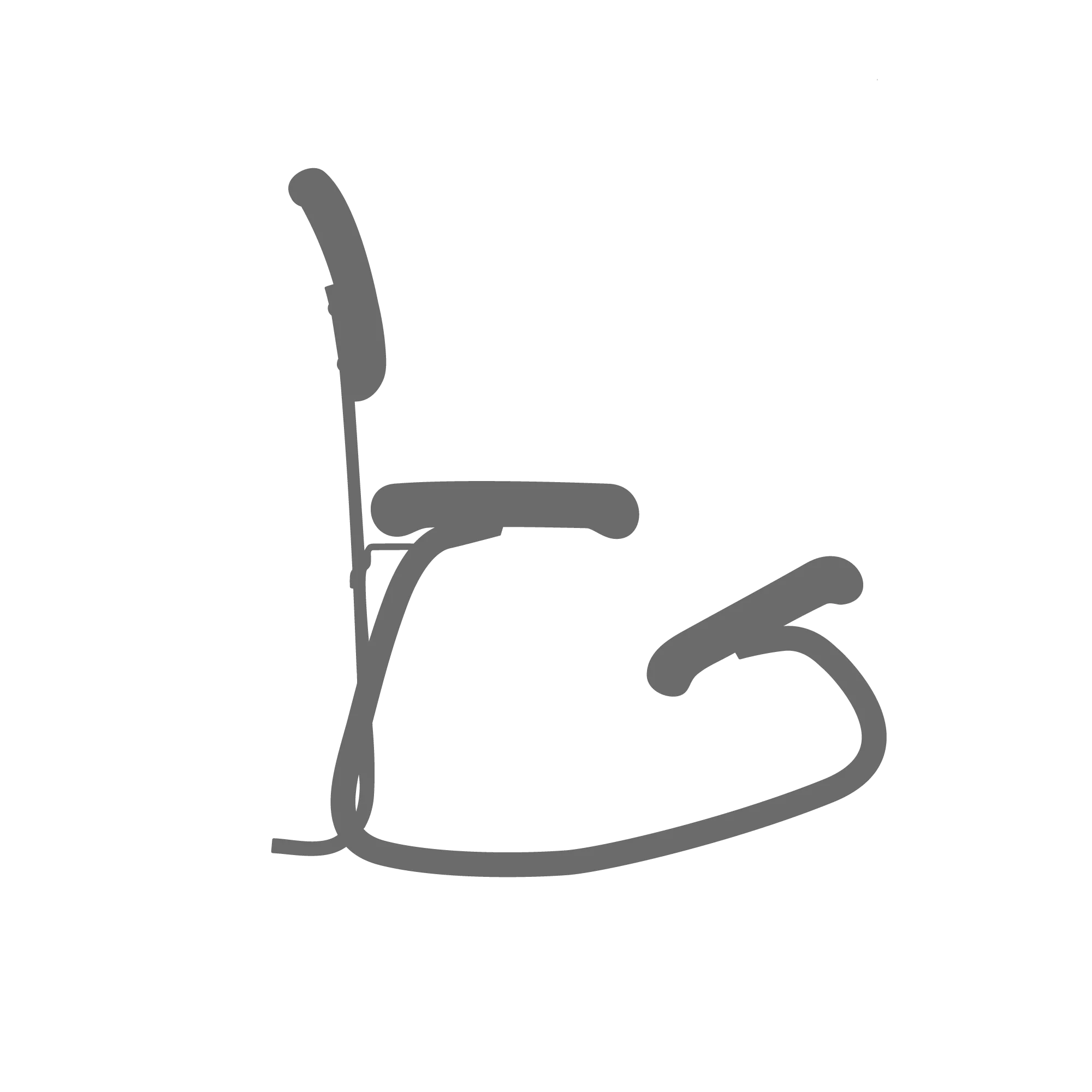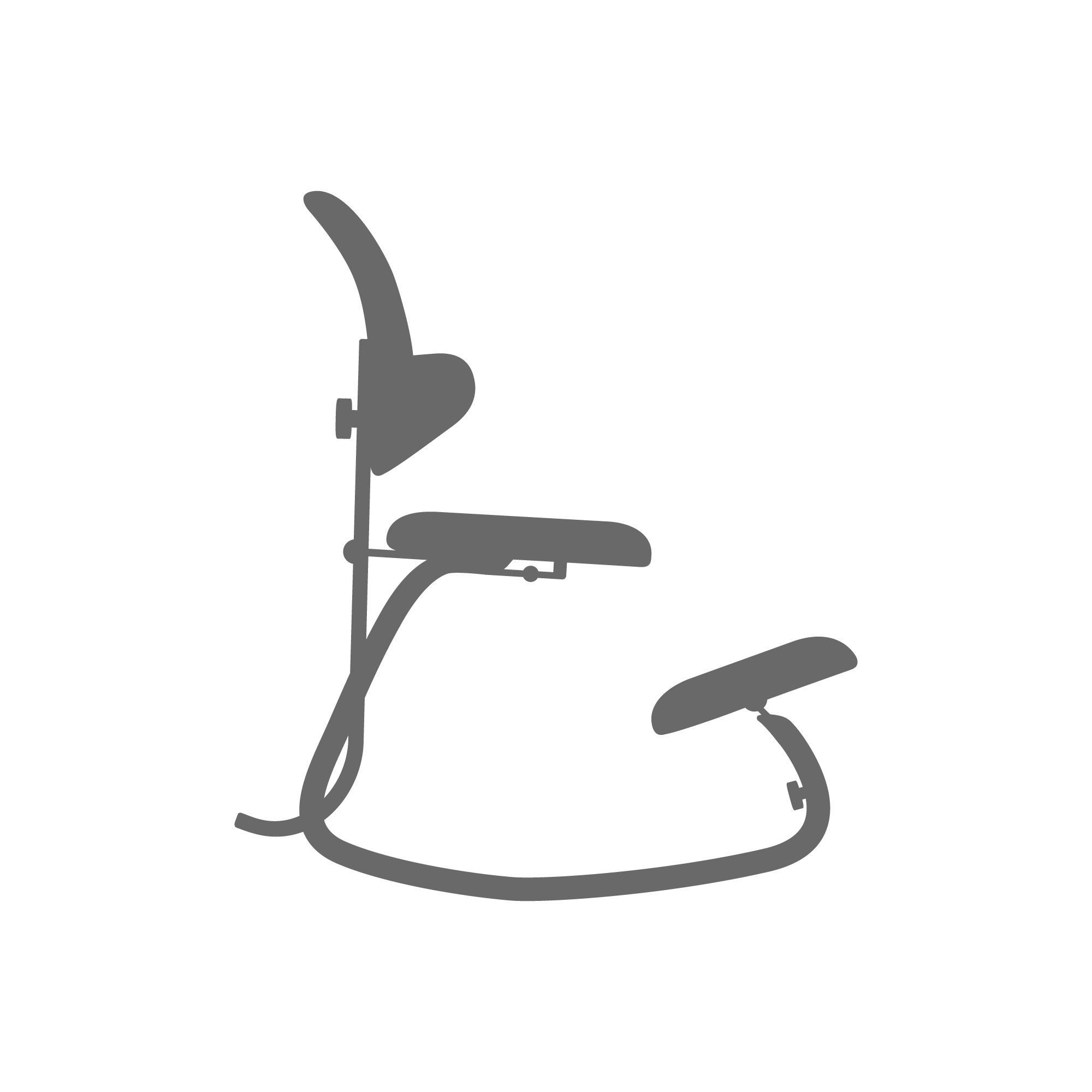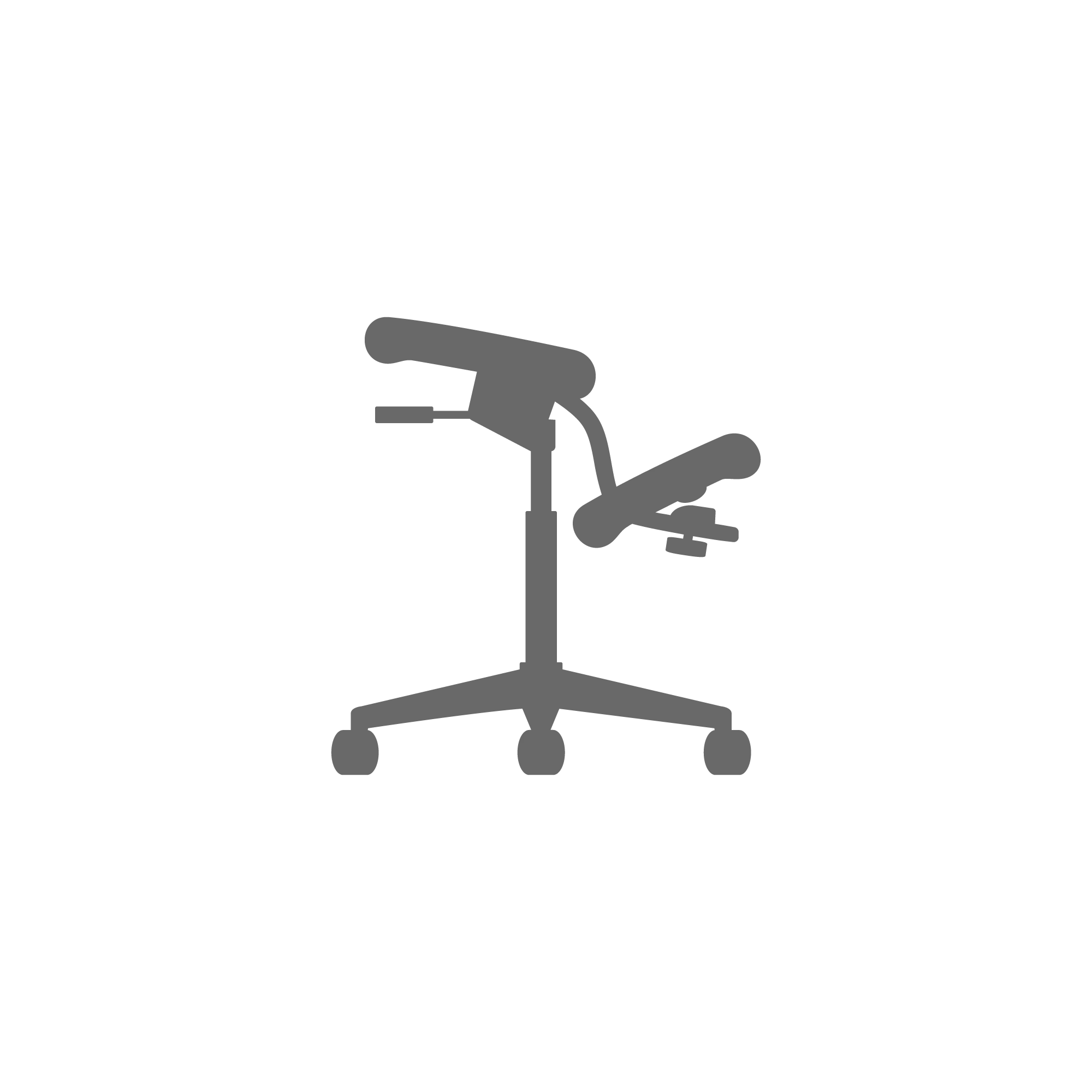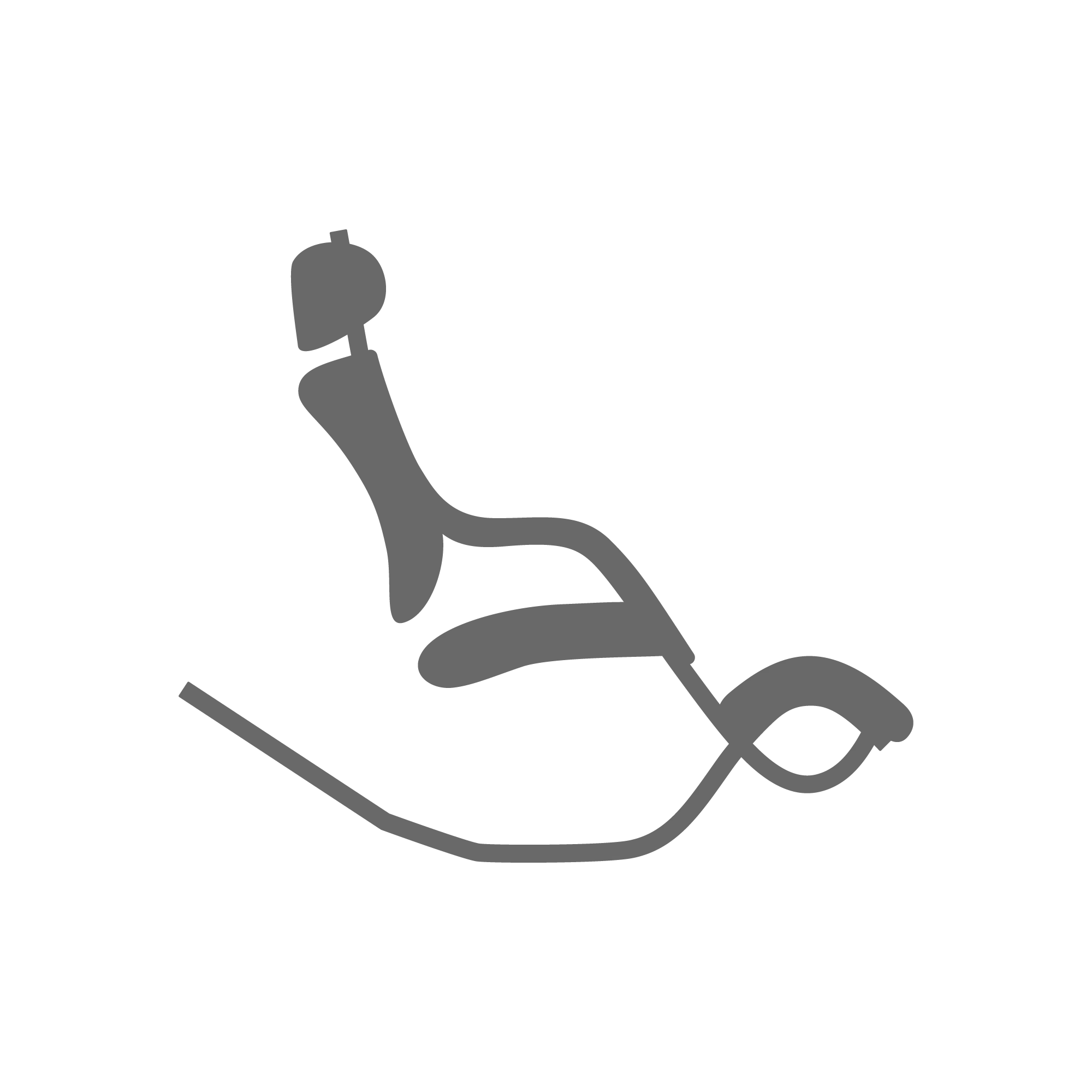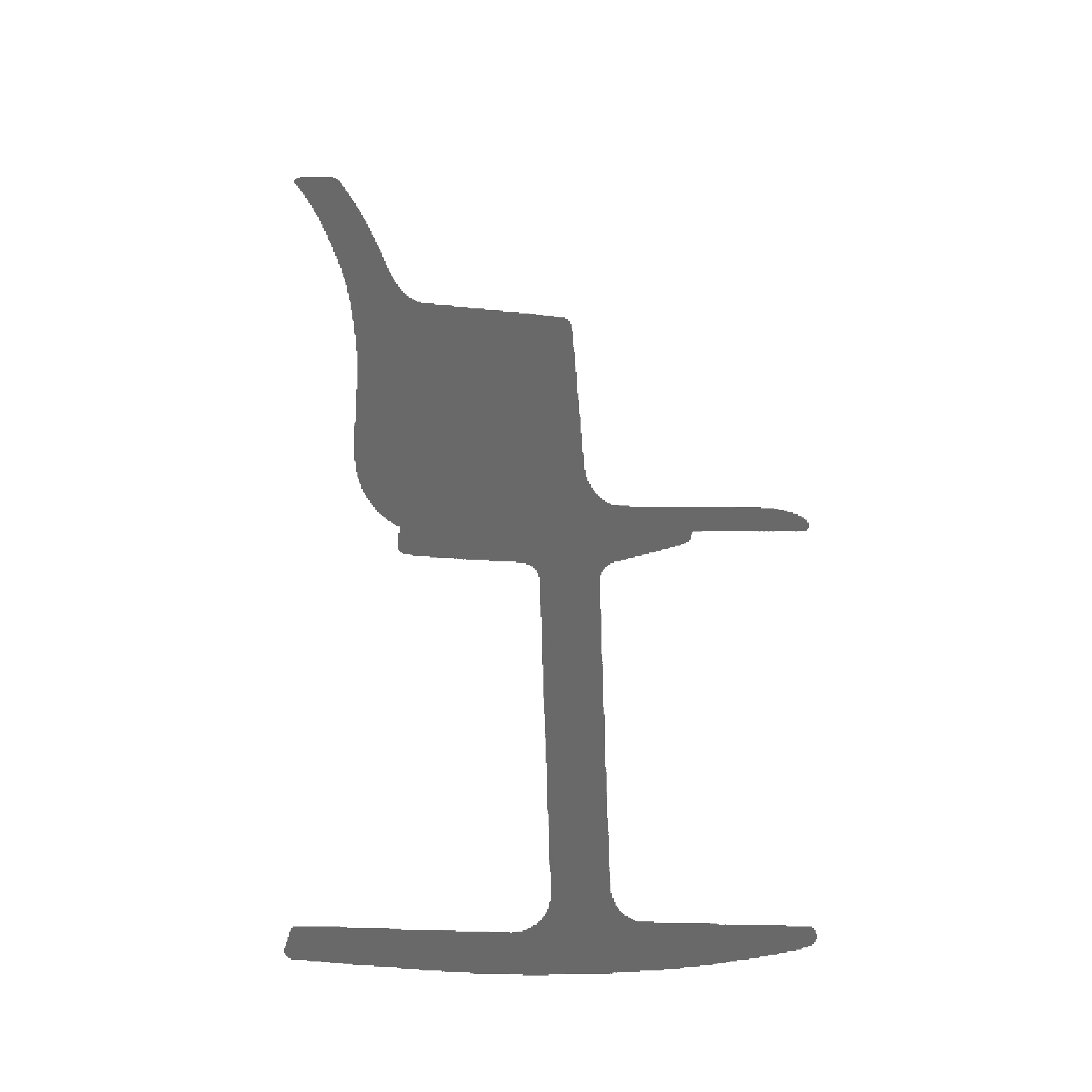
Reduce back pain through long days at the screen with an ergonomic kneeling chair. The Varier line opens the hip angle and removes the conventional task-chair posture that compresses the lumbar spine over hours. The Variable Balans is the original — designed by Peter Opsvik in 1979 and produced in Norway ever since. This page is one of several inside the broader best ergonomic kneeling chair hub; if back pain is the motivating reason, this is the right entry point.
Why a back-pain buyer needs an open hip angle
A conventional task chair holds your hip at roughly 90 degrees. That sounds neutral until you spend eight hours in it — the lumbar spine compresses, the lower back muscles fatigue, and small bad postures become big ones by 4 pm. An ergonomic kneeling chair tilts the seat forward, drops the knees, and opens the hip angle to roughly 110-120 degrees. The pressure that was pooling at the lumbar spine redistributes across the seat and the shins. The position is what most people unconsciously shift toward when they get up to stretch.
The chair is not a treatment. It is a structural change in how you sit. We frame this descriptively, not therapeutically. If pain is severe or persistent, see a clinician.
Top picks for back pain
1. Variable Balans — the 1979 original and the most-recommended chair for back-pain buyers. The forward seat, gravity-driven rocker, and shin-pad load distribution are exactly the geometry the lumbar spine wants. No backrest, which removes the temptation to slump. Buyers report most of the back-strain relief by week two of regular use.
2. Thatsit Balans — the same active-sitting principle with an adjustable backrest. The right pick if you want a fallback rest position during a long workday or are 6’1″+ in height. Same Norwegian build, same Peter Opsvik design lineage.
3. Variable Plus — a Variable with a factory-fitted backrest. Some back-pain buyers want the geometry of the original but with the option to lean back during meetings. The Variable Plus does exactly that without the price step up to a Thatsit.
How we evaluated for back-pain buyers
We tested seat angle, hip-angle opening, and load distribution across the shin pads as the primary criteria. The chair that wins for back pain is the one that holds the lumbar spine in the least compressed position over eight hours, not the one that feels easiest to sit in for the first ten minutes.
What back-pain buyers should look for
The geometry. Cheap kneelers cut corners on seat-to-shin distance, rocker base curvature, or upholstery support — small mismatches that turn “this is easing my back” into “this is now hurting my shins.” A well-built kneeler with the original Variable geometry holds back-pain relief over months and years; a poorly built one creates a different pain. The Varier vs Amazon comparison covers this directly.
The other thing back-pain buyers should look for is patience. The first week is an adaptation. The format works; it requires a build-up.
Frequently asked questions
Will an ergonomic kneeling chair fix my back pain?
The chair is a structural change, not a treatment. The design principle reduces lumbar compression and encourages micro-movement. Many users report less back strain through long workdays; the chair does not make medical claims.
Should I try the Variable or the Thatsit first?
Most back-pain buyers start with the Variable for the original geometry. Choose the Thatsit if you are 6’1″+ or want an adjustable backrest. The Variable vs Thatsit page settles the choice.
How long until my back feels different?
Most users notice a meaningful change by the end of week two. The full benefit emerges over the first month as the lower body adapts to the new geometry.
Should I keep my old chair as a backup?
For meetings or short tasks, yes. For focused work, the Variable becomes the primary chair after the adaptation period.
What about during the adaptation period itself?
Half-hour stints the first few days, then build up. Alternate with standing breaks. Most users are at full workday length by the end of week two.