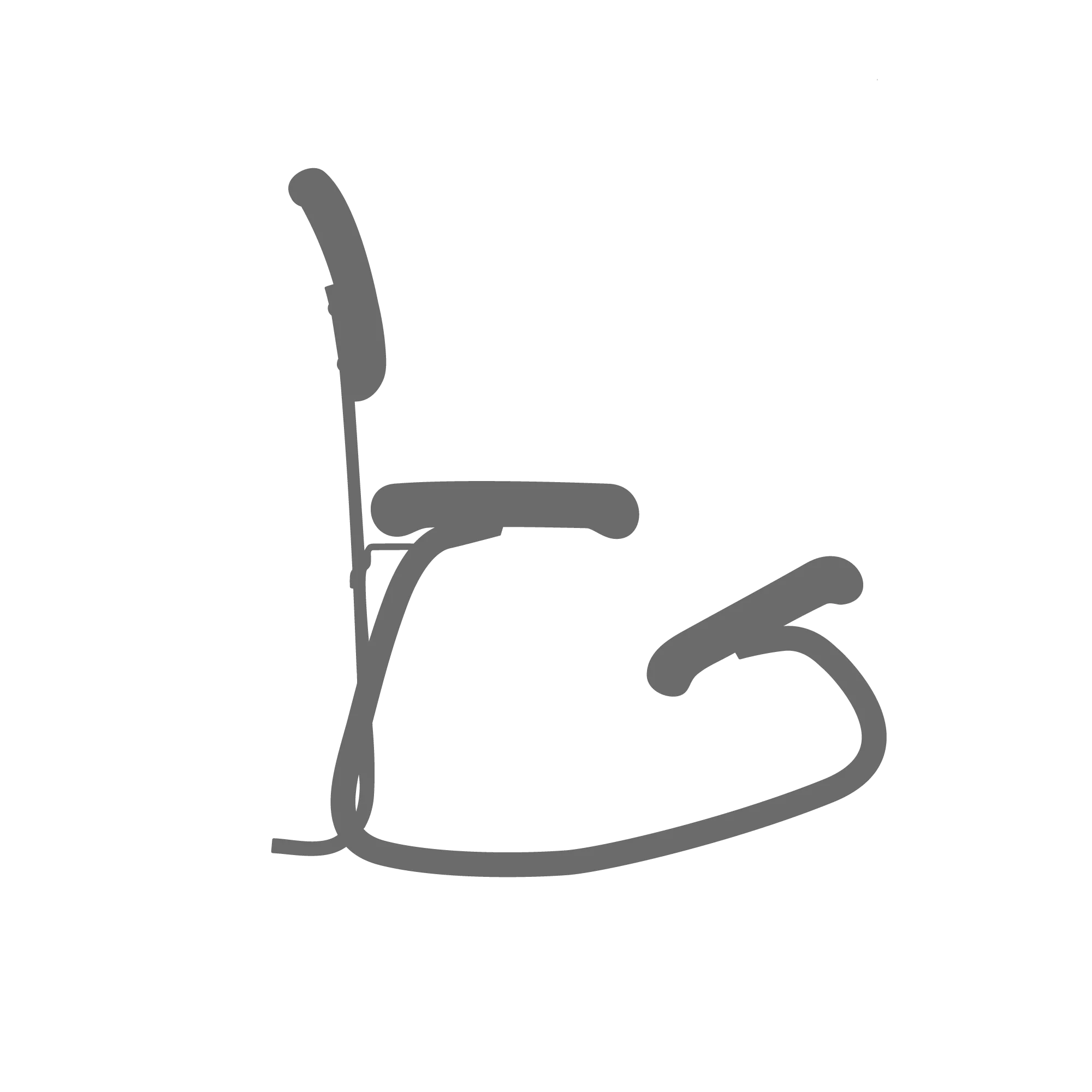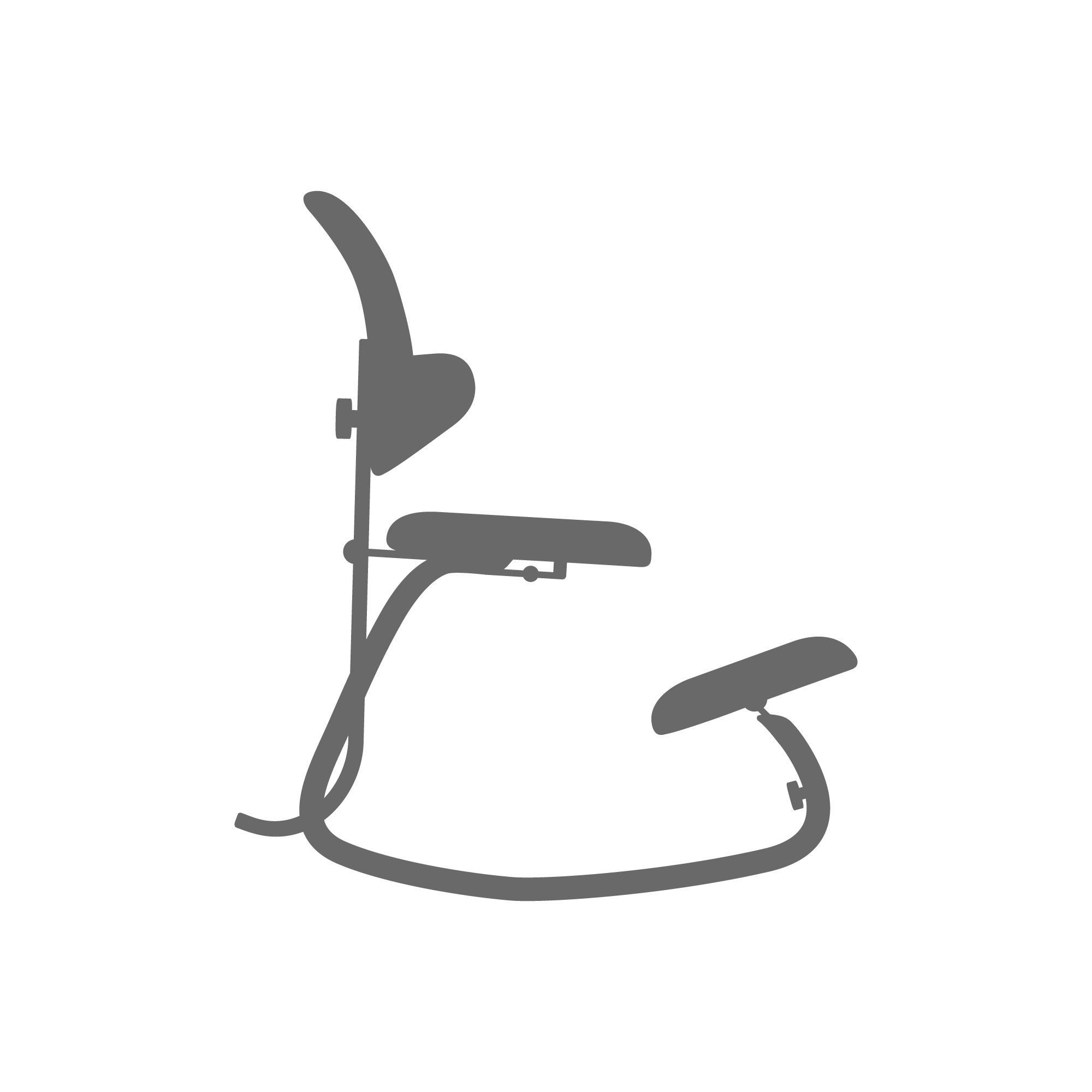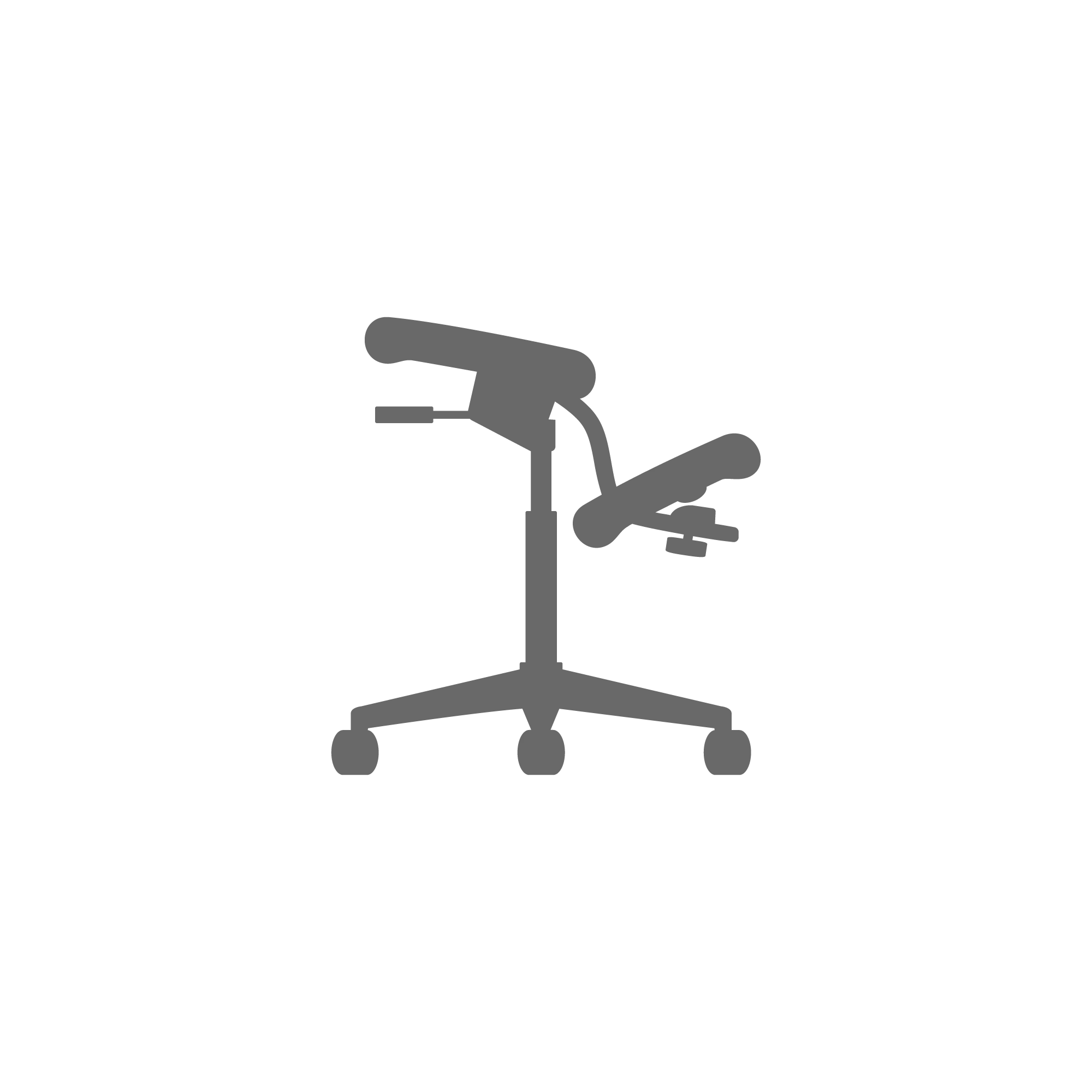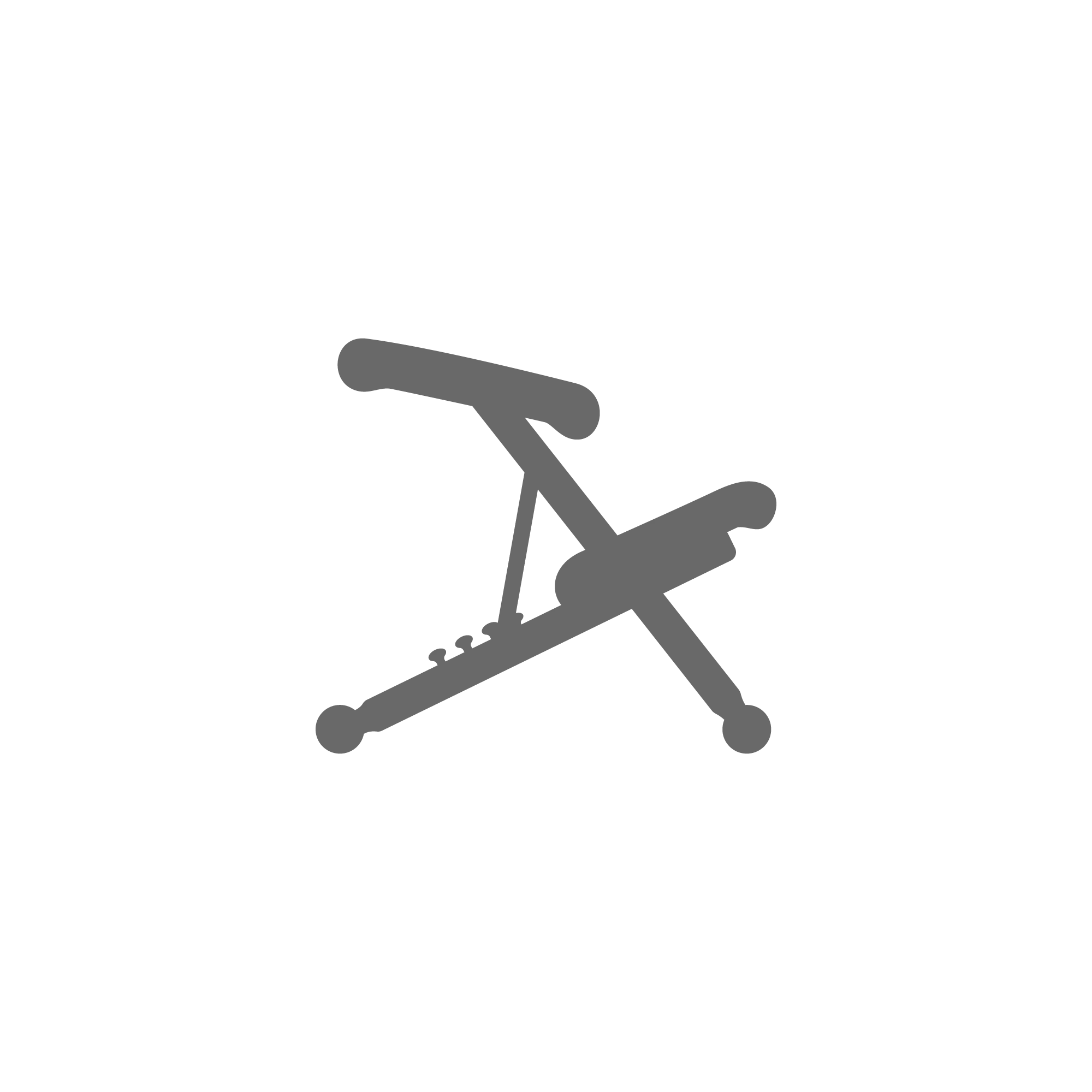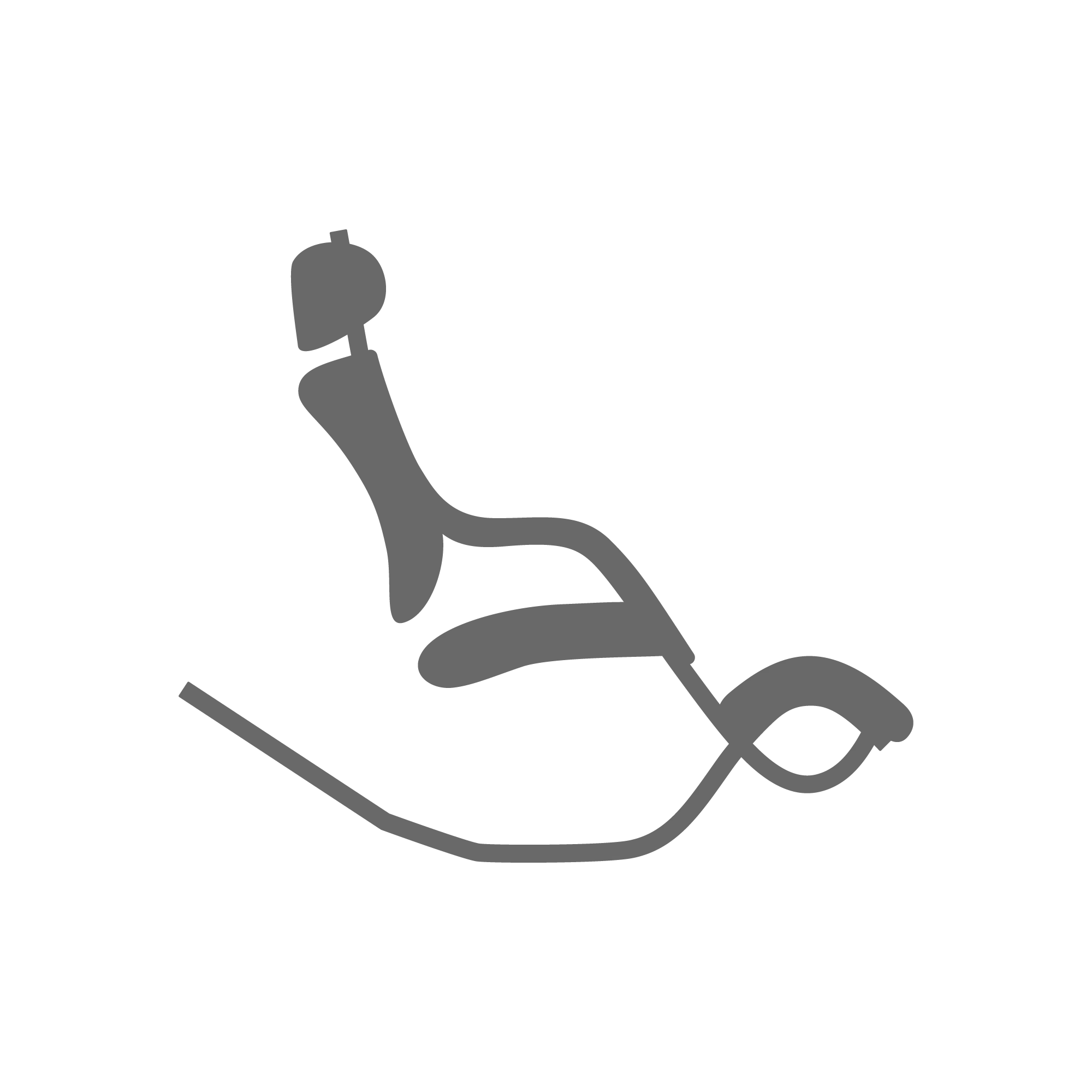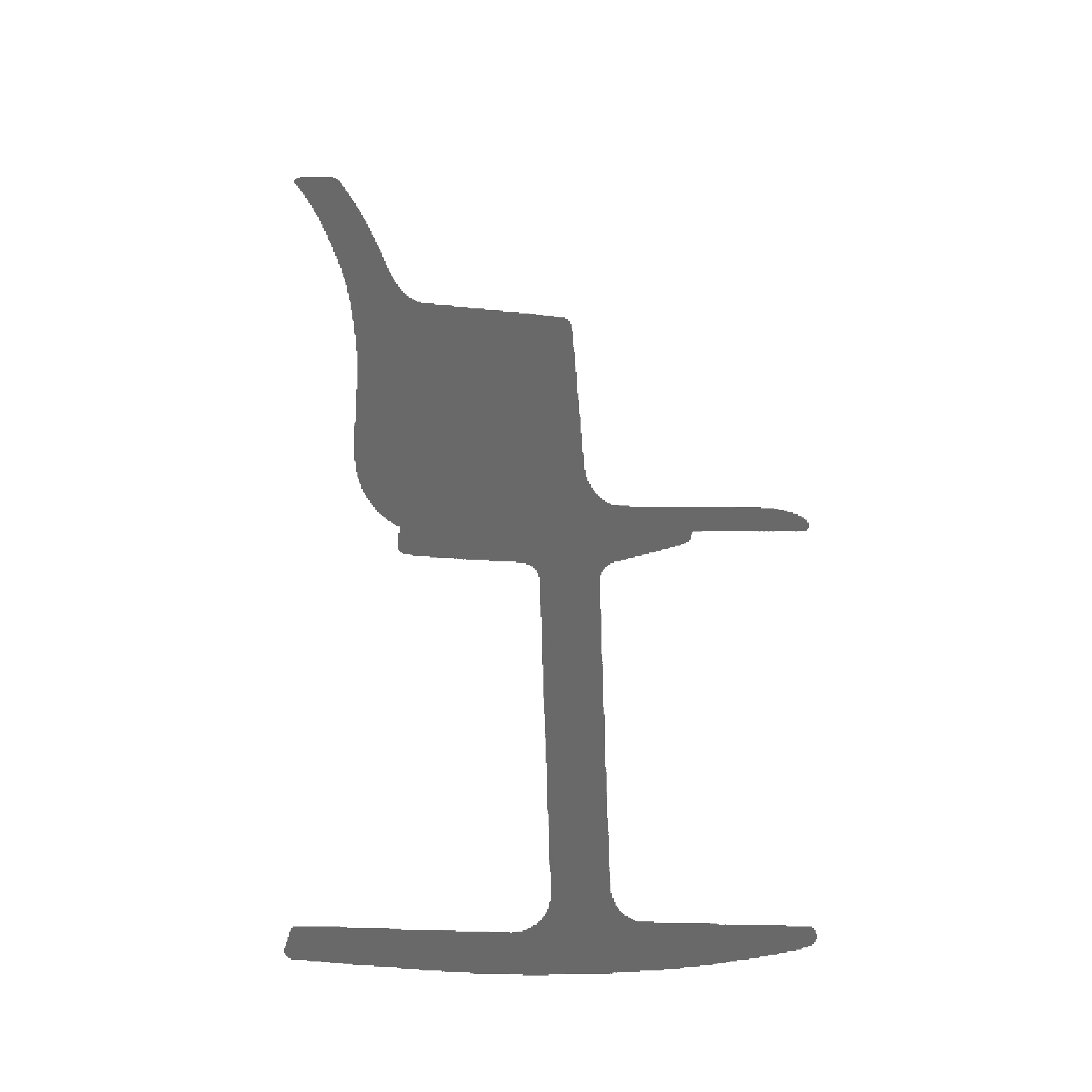
The Varier Variable Balans ergonomic kneeling chair and the Swopper share a hypothesis — that a static seat is the source of most desk-pain — and answer it with two different formats. The Varier opens the hip angle through a kneeling geometry; the Swopper does it through a 3D-spring stool. This page is for the buyer trying to choose between them. Heritage reads: the Varier line was designed by Peter Opsvik and has been Norwegian since 1979.
The broader comparison hub covers other format pairings; this one focuses on stool-vs-kneeler.
At a glance
| Axis | Varier (Variable Balans) | Swopper |
|---|---|---|
| Format | Kneeling chair | Active-sitting stool with 3D spring |
| Weight distribution | Seat + shins | Seat only, feet on floor |
| Hip angle | Open via forward seat tilt | Open via raised seat height |
| Mechanical movement | None — gravity rocker | 3D spring + height piston |
| Designer | Peter Opsvik (1979) | Aeris (Munich) |
| Origin | Norway | Germany |
The functional difference
A Swopper keeps you upright on a tall seat with a sprung connection to the floor. The chair moves under you when you shift; you do not lean on shin pads or change the seat angle. The Variable does the opposite: a forward-tilted seat puts your weight partly through your shins, which opens the hip angle without raising your seat height. Both formats encourage micro-movement; they go about it through different anatomy.
For desks set at conventional heights (28-30 inches), the Variable sits closer to a “normal” chair posture. The Swopper either needs a higher desk or asks you to perch above the desk surface in a way some users find awkward. For sit-stand desks the dynamics flip — the Move stool from Varier is the closer comparison if you want the stool format with the Norwegian build.
Side by side
Spinal load. Both formats reduce sustained lumbar compression compared to a slumped task chair. The Variable does it via hip-angle opening; the Swopper does it via spring-loaded micro-correction. Either is a meaningful improvement on a static chair.
Build language. The Variable reads as Norwegian furniture — wood frame, fabric upholstery, chairs Peter Opsvik intended to last decades. The Swopper reads as office equipment — a pneumatic stool with a spring base. Different signals in a home office.
Use envelope. The Variable can be the entire workday with no break in posture. The Swopper is more typical for shorter focused stretches plus standing breaks; some users keep it as the secondary chair next to a Variable or a sit-stand desk.
Which is right for you?
Choose the Variable if you want one decisive chair for a conventional desk, prefer furniture-grade build, value the Peter Opsvik design lineage, and want kneeling-format weight distribution. Choose the Swopper if you specifically want a stool format, work at variable desk heights, or want the spring-loaded sense of always-moving balance. The Varier Move stool vs Variable page is also worth reading if the stool format is the part you are interested in.
What the buyer gets wrong
The most common mistake in this comparison is treating both as “ergonomic chairs” interchangeably. They are not the same chair in two finishes. The Swopper asks your body to balance constantly; the Variable opens your hip angle and lets you settle in. Buyers who want active-sitting energy through a high-load workday tend to land on the Variable; buyers who want a few hours a day of upright movement on a stool format tend to land on the Swopper.
Frequently asked questions
Is a Swopper a kneeling chair?
No. A Swopper is an active-sitting stool. The Variable Balans is the kneeling-chair format with weight shared between the seat and the shins.
Can I use a Swopper at a normal desk?
Some users do, but the seat height tends to push it toward standing-desk territory. The Variable is closer to a conventional desk-height chair.
Which is better for back pain?
Both reduce sustained lumbar compression compared to a slumped task chair. The Variable opens the hip angle without raising you above the desk; for buyers focused on back pain, that geometry is usually the one to start with. See the back pain guide for the full reasoning.
Does Varier make a stool similar to the Swopper?
The Move stool. It is Varier’s sit-stand stool — different from the Swopper’s spring base, but in the same active-stool family. The Move vs Variable page sets out the choice between a stool format and a kneeling format.
How long does it take to adapt?
For the Variable, most users build up over a week or two from half-hour stints to full workdays. For the Swopper, the adaptation is usually faster but the daily duration tends to stay shorter.