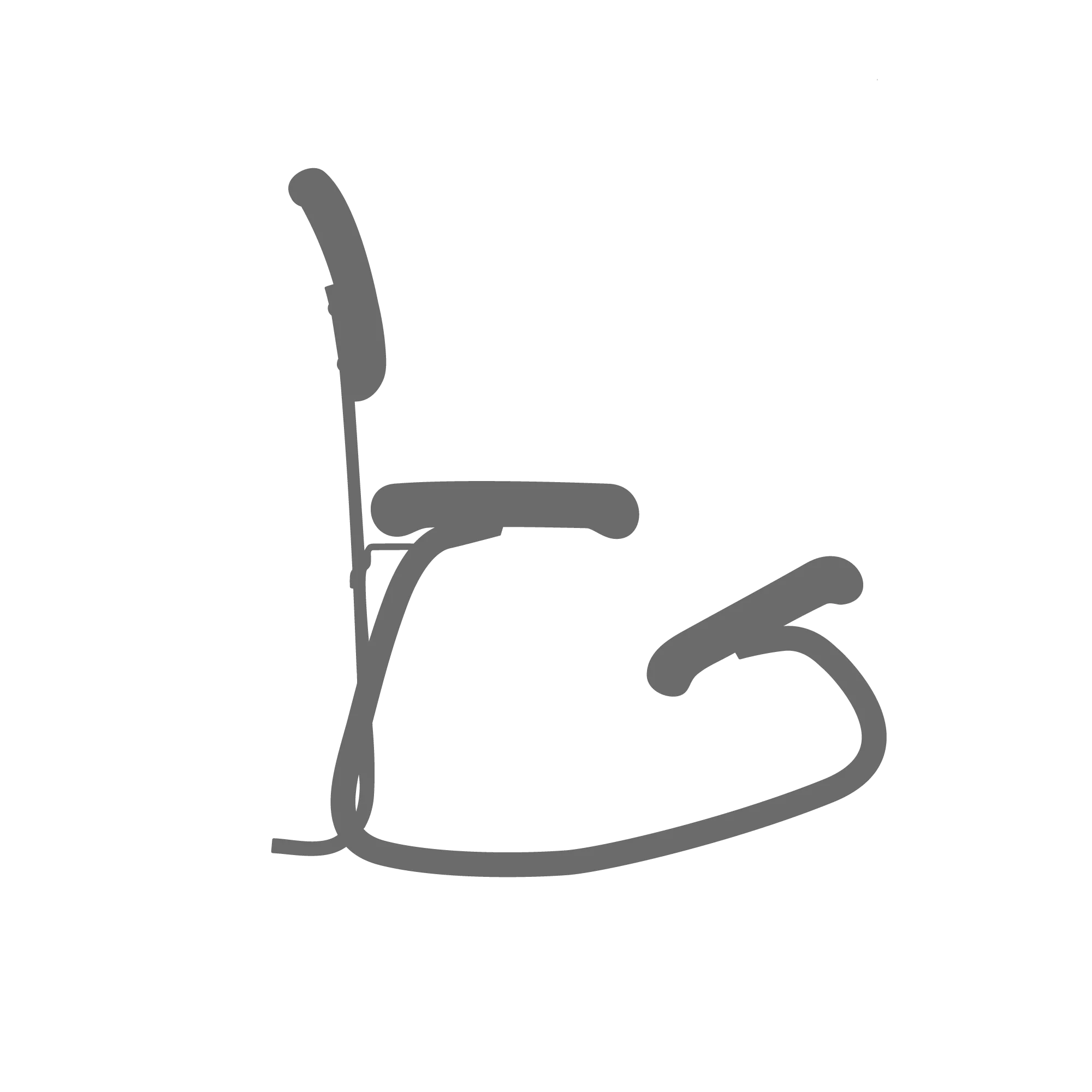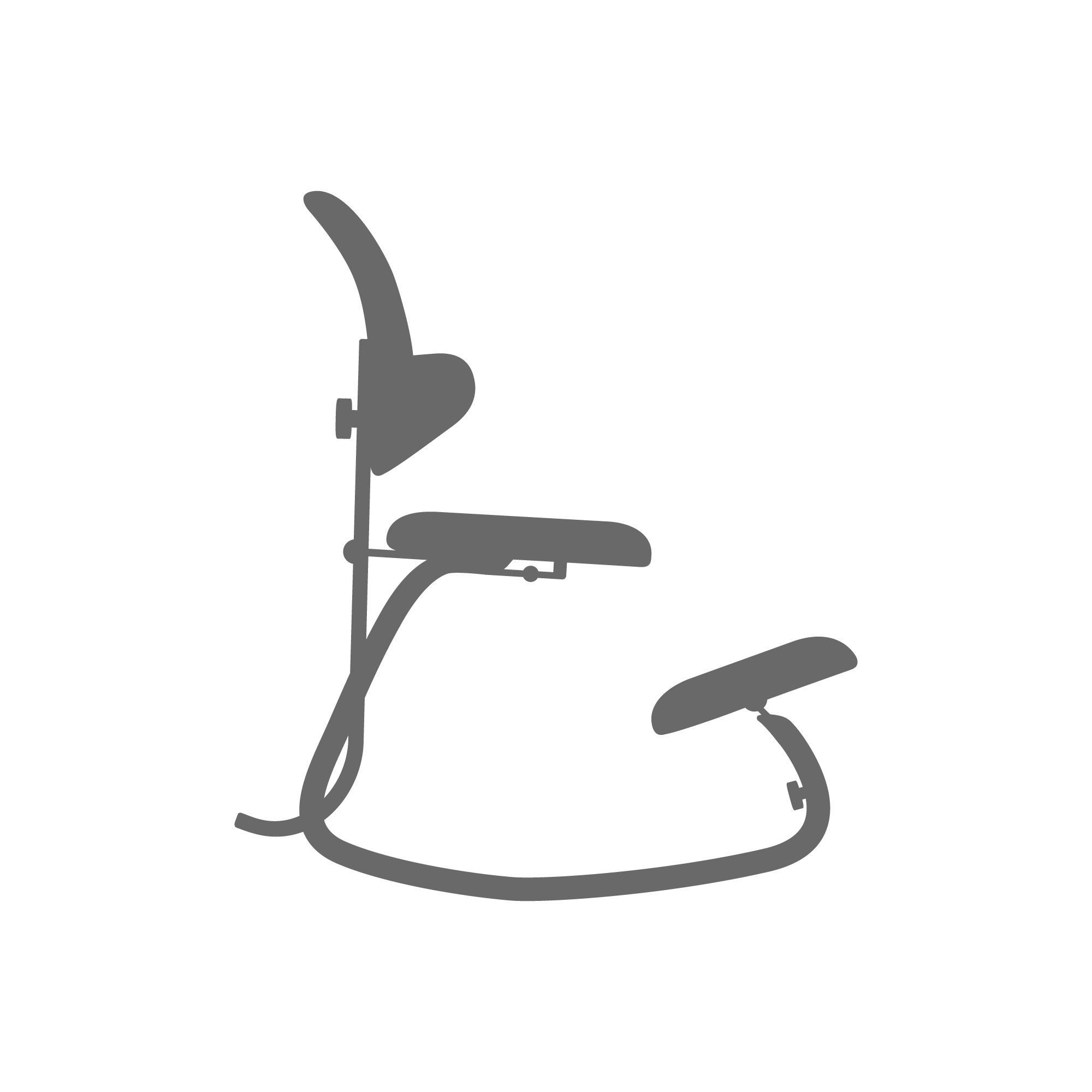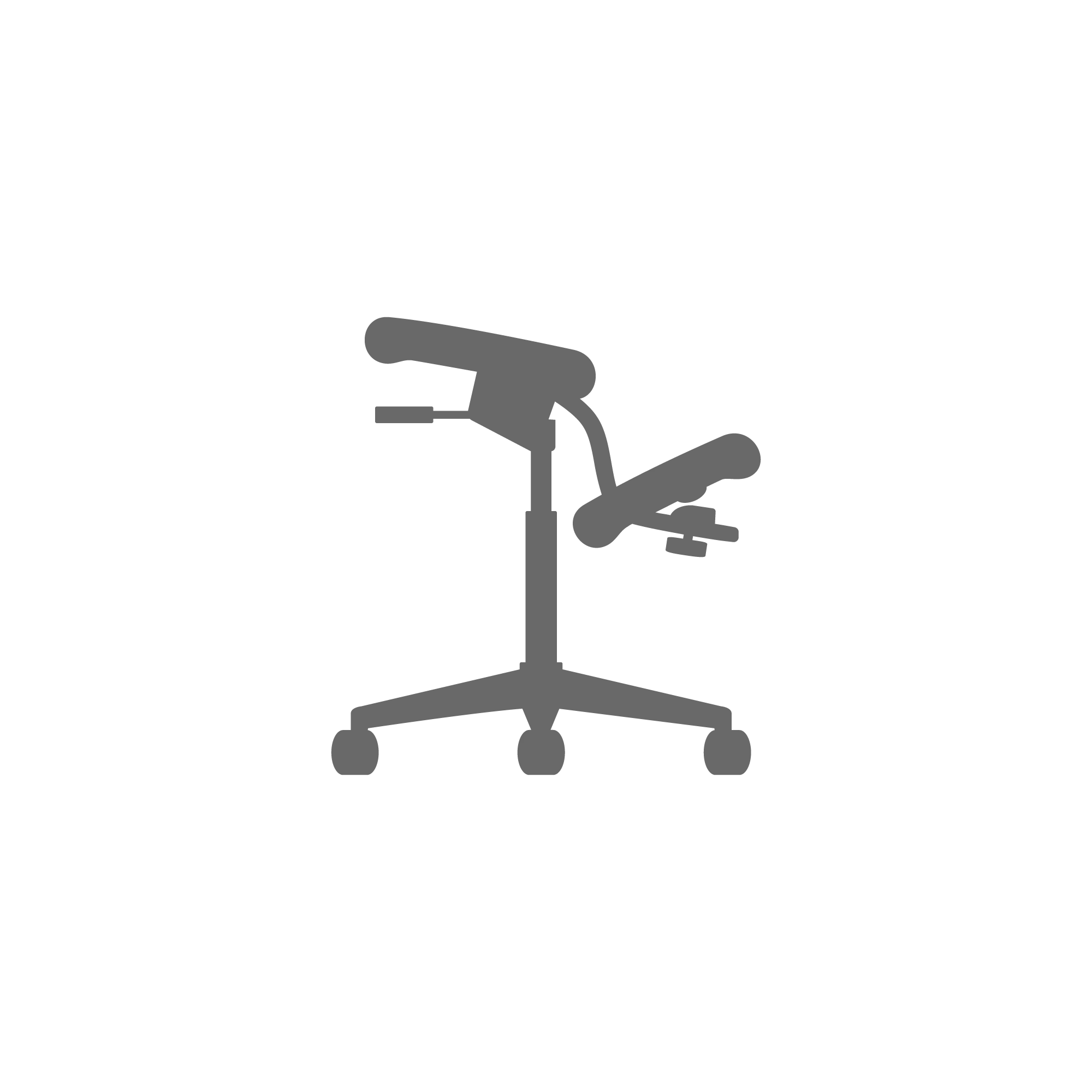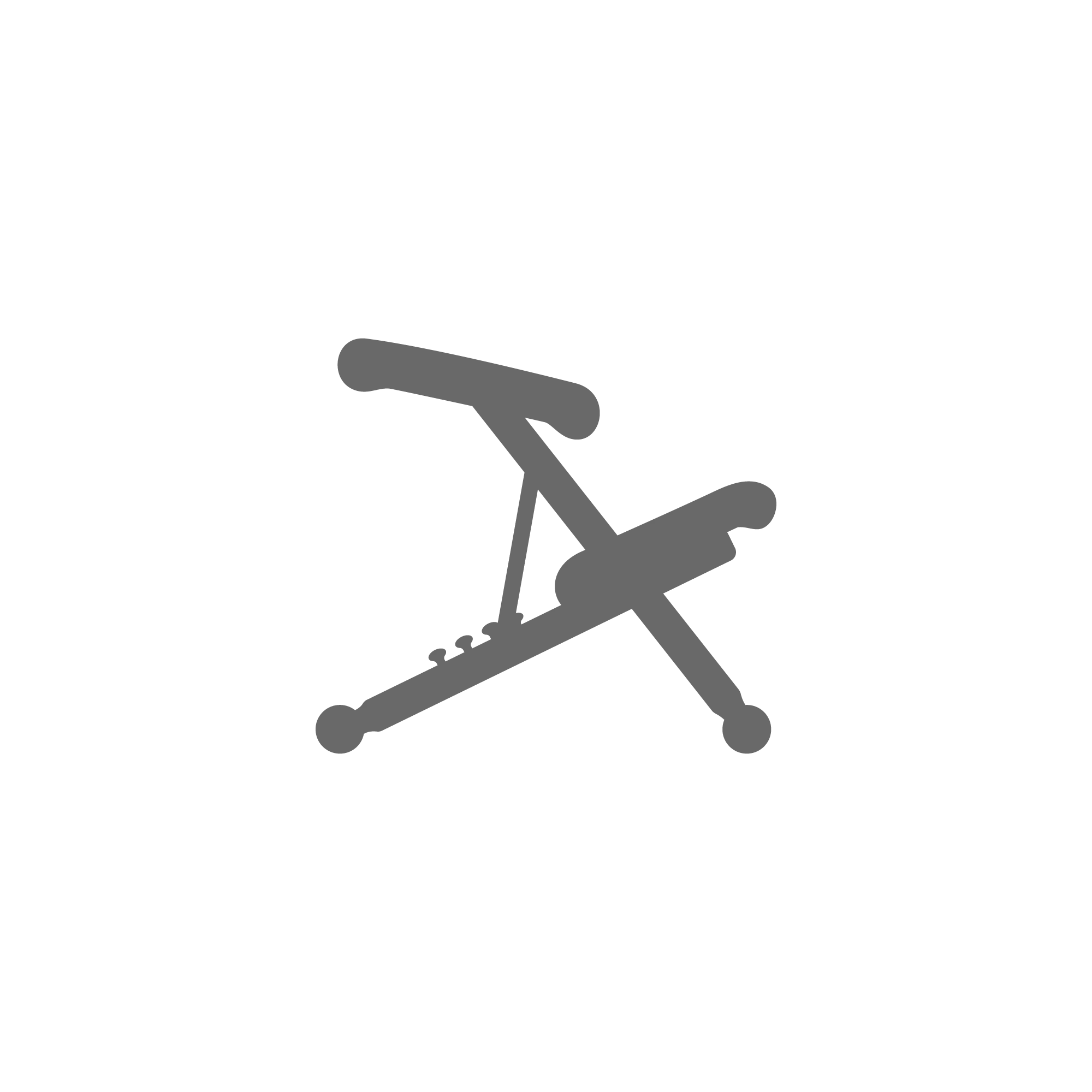
Active sitting and traditional sitting are two different theories about what a desk chair is for. Traditional sitting holds one supported posture and rewards the chair that supports it well. Active sitting refuses the single posture and rewards the chair that lets the body keep moving. The Varier ergonomic kneeling chair is the active-sitting archetype — Peter Opsvik’s 1979 Variable Balans, in continuous Norwegian production. This page is the conceptual comparison; the rest of the comparison hub picks up the format-specific details.
This page sits inside the broader comparison hub.
At a glance
| Axis | Active sitting | Traditional sitting |
|---|---|---|
| Underlying assumption | The single posture is the problem | The chair supporting the single posture is the answer |
| Body load | Distributed; shifts through micro-movement | Concentrated at the lumbar spine |
| Spinal alignment | Found by the body in motion | Held by the chair’s lumbar shaping |
| Adjustments | Few or none — geometry does the work | Many, dialled to the user |
| Format example | Variable Balans, kneeling chair | Conventional task chair |
The principle gap
Traditional sitting tries to perfect a static posture. Active sitting questions the static posture in the first place. Both have decades of professional use behind them; both can carry an 8-hour workday; they go about it through different mechanisms.
Side by side
Energy through the day. Active sitting tends to keep buyers from feeling locked in. Traditional sitting can be more comfortable in the first hour and more punishing by the eighth.
Posture quality. Active sitting depends on the chair’s geometry; traditional sitting depends on the user’s awareness. The Variable’s geometry holds the open hip angle automatically; a task chair only holds the posture you set.
Adaptation curve. Active sitting requires a one-to-two-week build-up. Traditional sitting is plug-and-play. The trade-off is real.
Build language. The Variable is Norwegian furniture; conventional task chairs are office equipment. In a home context the difference is part of what you are paying for.
Which is right for you?
Choose active sitting if you have decided the conventional posture is the underlying problem and you want a structurally different answer. Choose traditional sitting if you want plug-and-play and have found a task chair that genuinely fits. Most buyers who land on the Variable have spent years in conventional task chairs first; the kneeling format becomes the answer once the conventional one stops working. The best for posture guide picks up the active-sitting reasoning in detail.
Frequently asked questions
Is active sitting actually better than traditional sitting?
For users who have decided the conventional posture is the problem, yes — that is the entire point of the Varier line. For users who want a well-supported single posture, traditional sitting in a quality task chair is a defensible answer.
Can I do active sitting without a kneeling chair?
Partly. Standing-desk intervals, posture rotation, and short walks during the day are all active-sitting-adjacent. The chair is the central commitment.
Does the Variable Balans count as a chair you can sit in passively?
Less so than a task chair. The Variable’s geometry encourages micro-movement automatically, but it does not stop you from settling in.
Why has active sitting taken so long to mainstream?
Traditional sitting is the cultural default. The Variable has been making the active-sitting case since 1979; the broader market is catching up slowly.
Will my back hurt less with active sitting?
The design principle is reduced lumbar compression and unrestricted micro-movement. Many users report easier hip flexion and less back strain. The chair does not make medical claims.