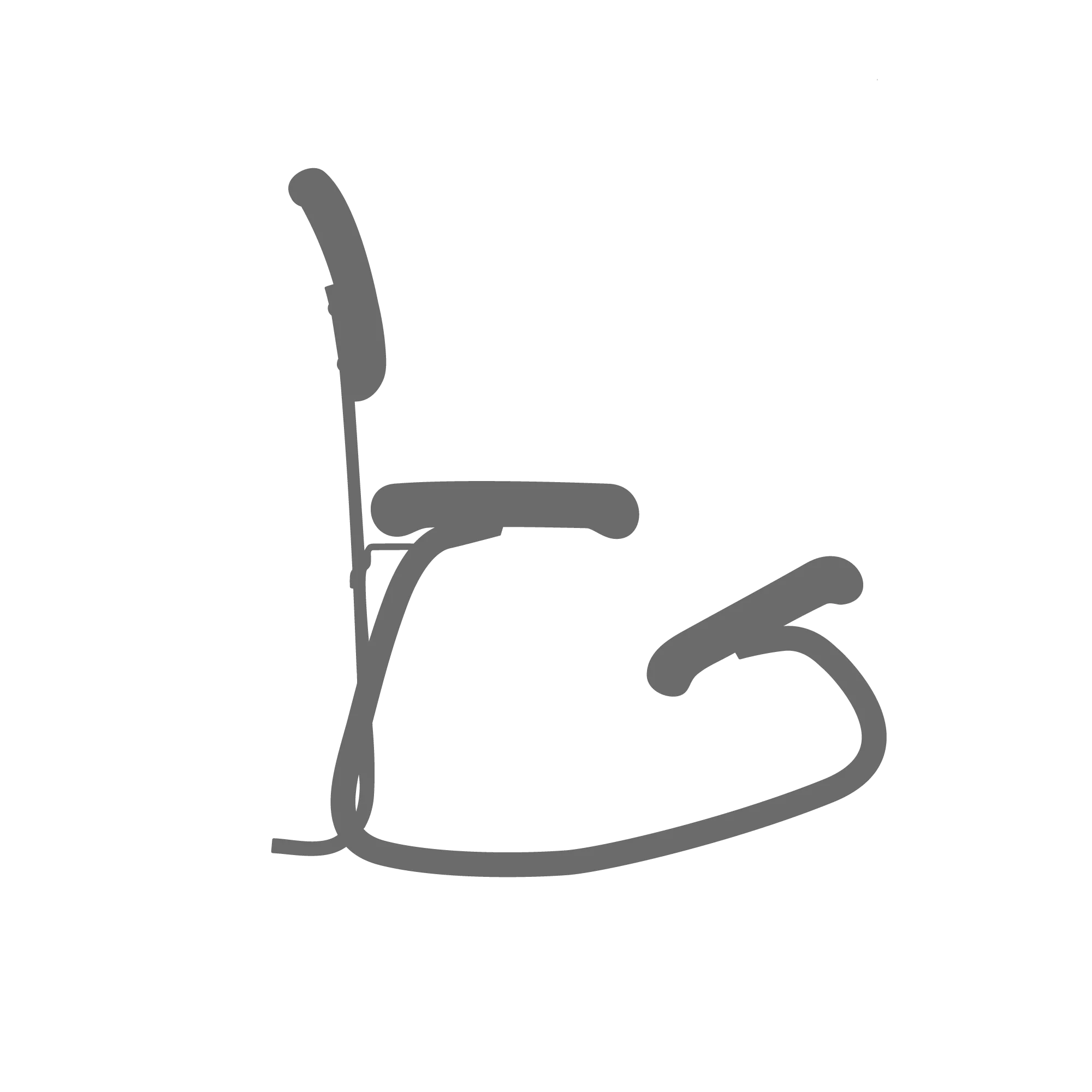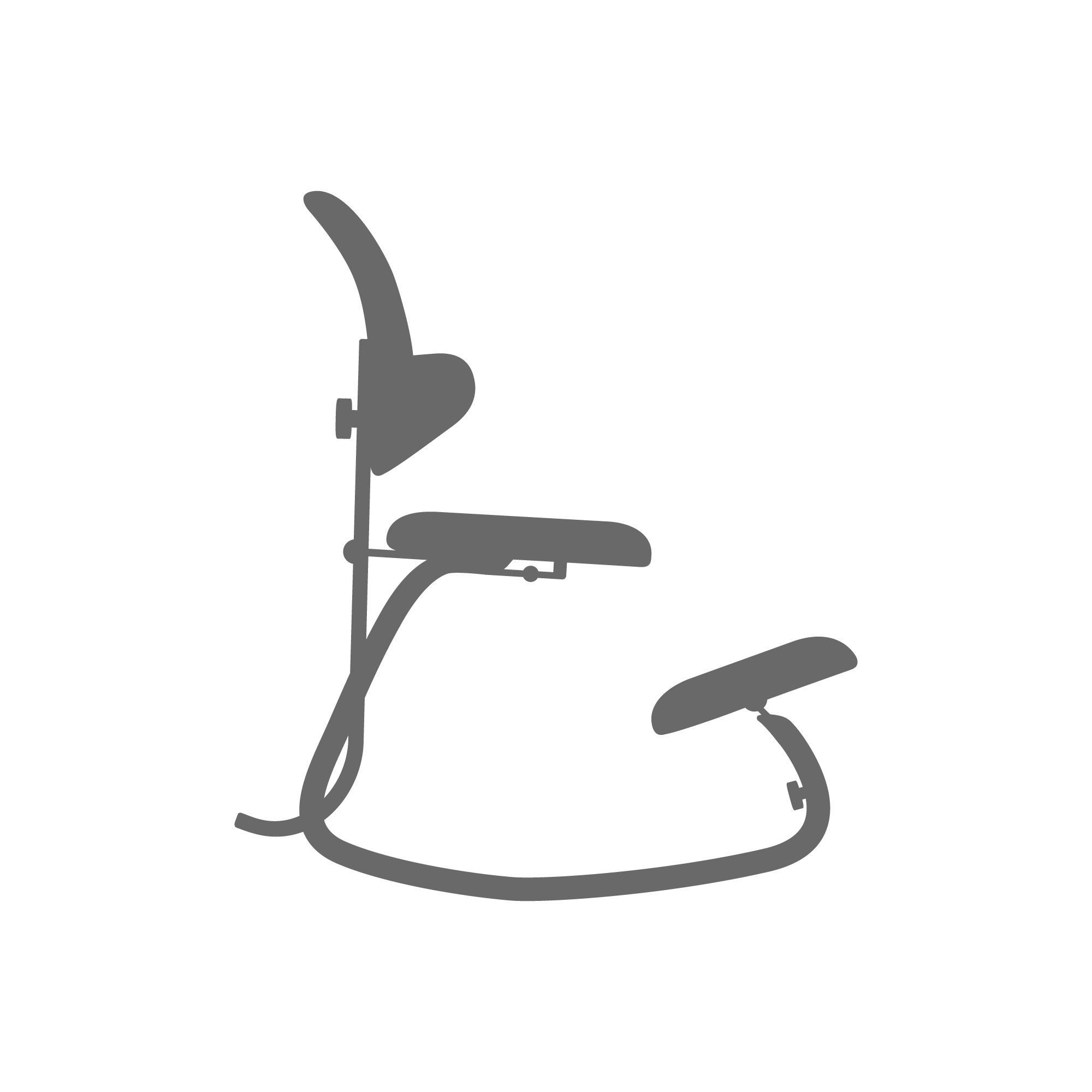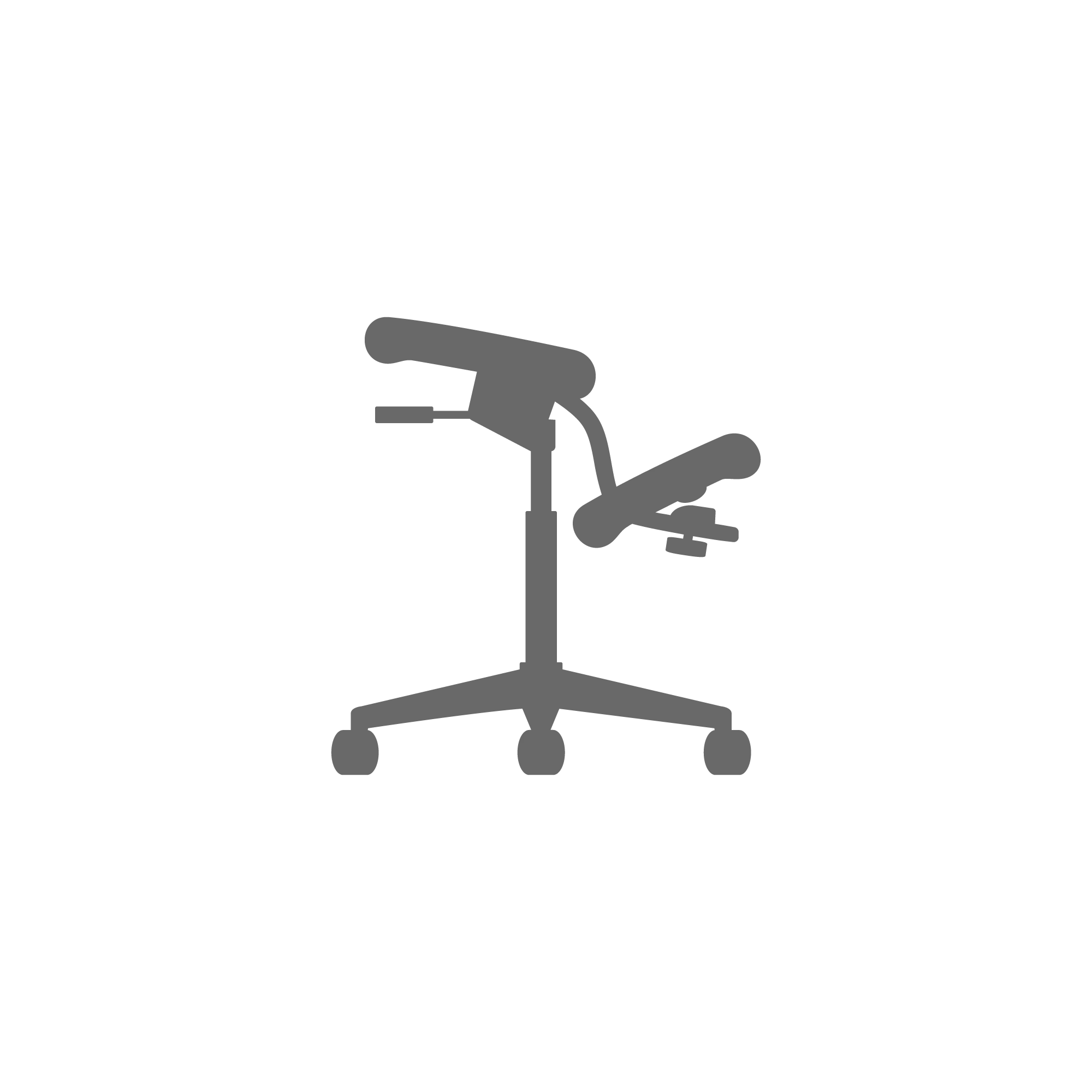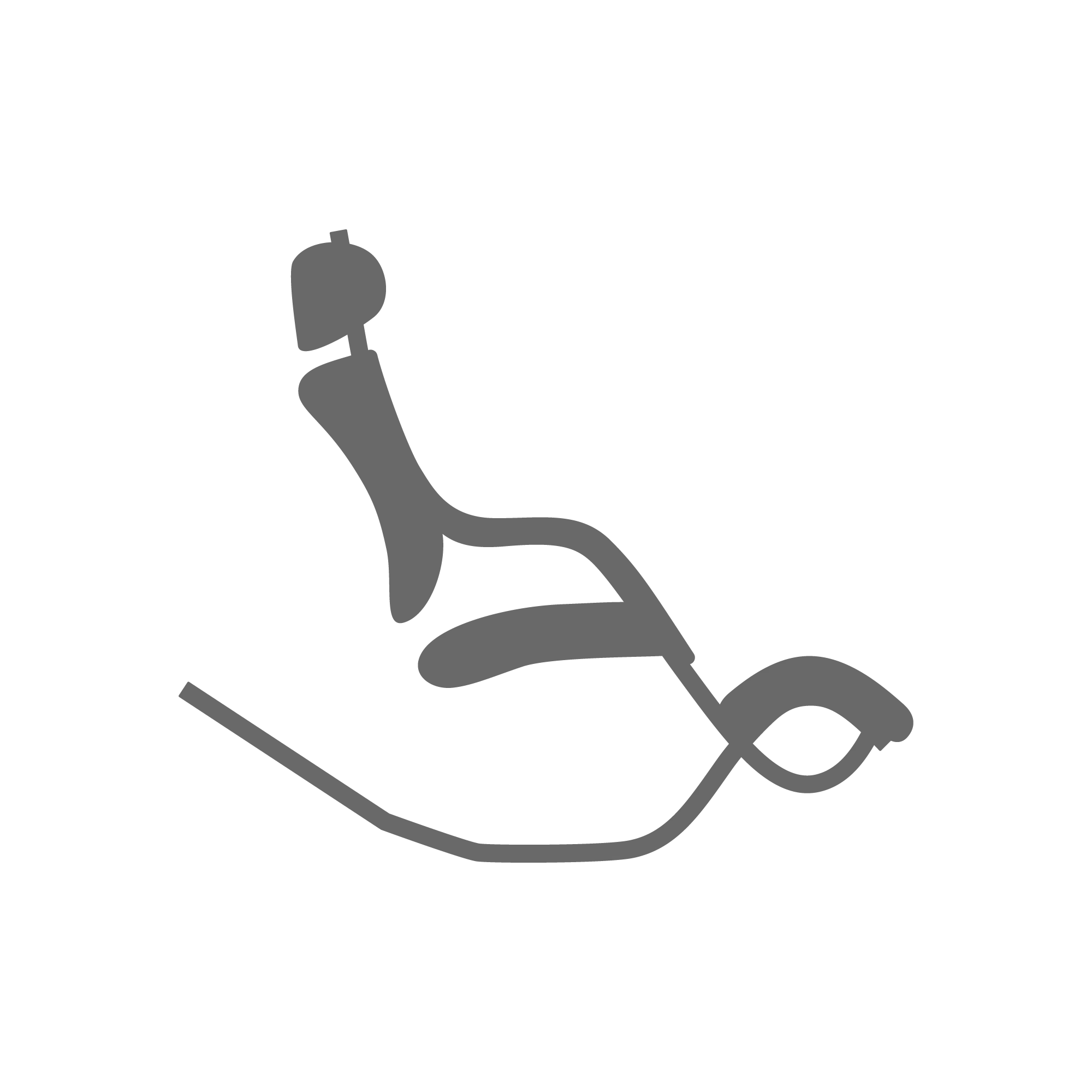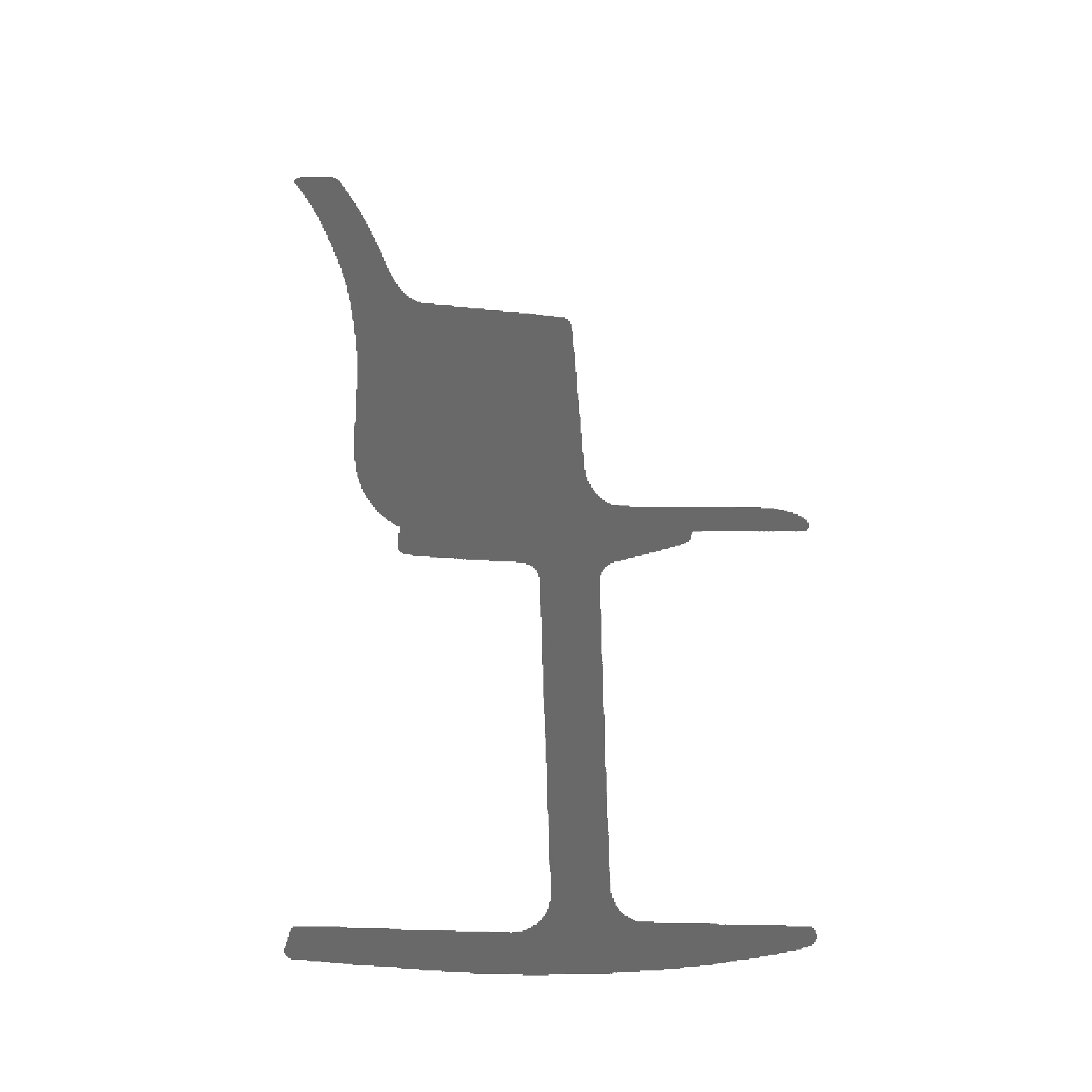
Improve posture without thinking about it. An ergonomic kneeling chair from Varier opens the hip angle so your spine finds alignment on its own — no posture trainer, no lumbar pillow, no conscious effort. The Variable Balans is the 1979 original by Peter Opsvik, in continuous Norwegian production. This page sits inside the best ergonomic kneeling chair hub and walks through the picks for buyers whose primary motivation is posture rather than pain.
Why posture-curious buyers reach for a kneeling chair
Most posture advice asks you to monitor yourself. Sit up. Pull your shoulders back. Engage your core. The problem with conscious posture work is concentration: the moment you focus on the screen, the posture goes. An ergonomic kneeling chair changes the geometry so your spine settles into alignment by default. The forward seat tilts your pelvis, the open hip angle reduces the slump-promoting compression, and the shin pads anchor your lower body. You do not have to think about posture; the chair does the thinking for you.
Top picks for posture
1. Variable Balans — the 1979 original. The chair posture-curious buyers most often land on. The geometry was designed by Peter Opsvik specifically to encourage spinal alignment without conscious effort. No backrest means no slumping into one.
2. Thatsit Balans — same alignment principle, with an adjustable backrest as a recovery position. Useful for long meetings or for buyers who want one chair to handle both active-sitting hours and rest hours without changing posture.
3. Variable Plus — the Variable platform with a factory-fitted backrest. The right pick if you want the original geometry but expect to lean back occasionally during the workday.
How we evaluated for posture
We tested forward seat tilt as the primary criterion — the angle of the seat relative to horizontal is what does the alignment work. Secondary criteria were rocker base behaviour (so the chair encourages micro-correction rather than locking a single posture) and shin-pad load distribution.
What posture-led buyers should look for
Geometry first, build second, brand third. The Variable’s seat angle, rocker travel, and shin-pad placement were tuned by Peter Opsvik over the original 1979 design. Mass-market kneelers vary; small geometric mismatches turn “I am sitting up straight” into “my back hurts in a new way.” A well-built kneeler with the original geometry holds posture through long days at the screen.
Patience matters here too. Conscious posture work is a hard habit. Chair-driven posture work is almost effortless after the one-to-two-week adaptation period; let the chair do the work.
Frequently asked questions
Will the kneeling chair fix slouching for me?
The chair changes the geometry so slouching becomes the harder option. After the adaptation period, most users settle into the open-hip-angle posture by default.
Do I need to engage my core to sit on a Variable?
Less than you might think. The forward seat and shin pads carry most of the work; your spine settles in alignment without active engagement.
What if my posture is already very poor?
The first week may feel awkward as the body relearns its default. Most users report meaningful posture change by the end of month one.
Is the Variable better than a posture-correcting strap or harness?
Different mechanism. Posture straps cue you to sit up; the Variable’s geometry sets the alignment so the cueing is unnecessary.
Will I sit upright in my old chair too?
Some users report carrying better posture habits across to other seats; others find the Variable becomes the only chair where good posture is automatic.