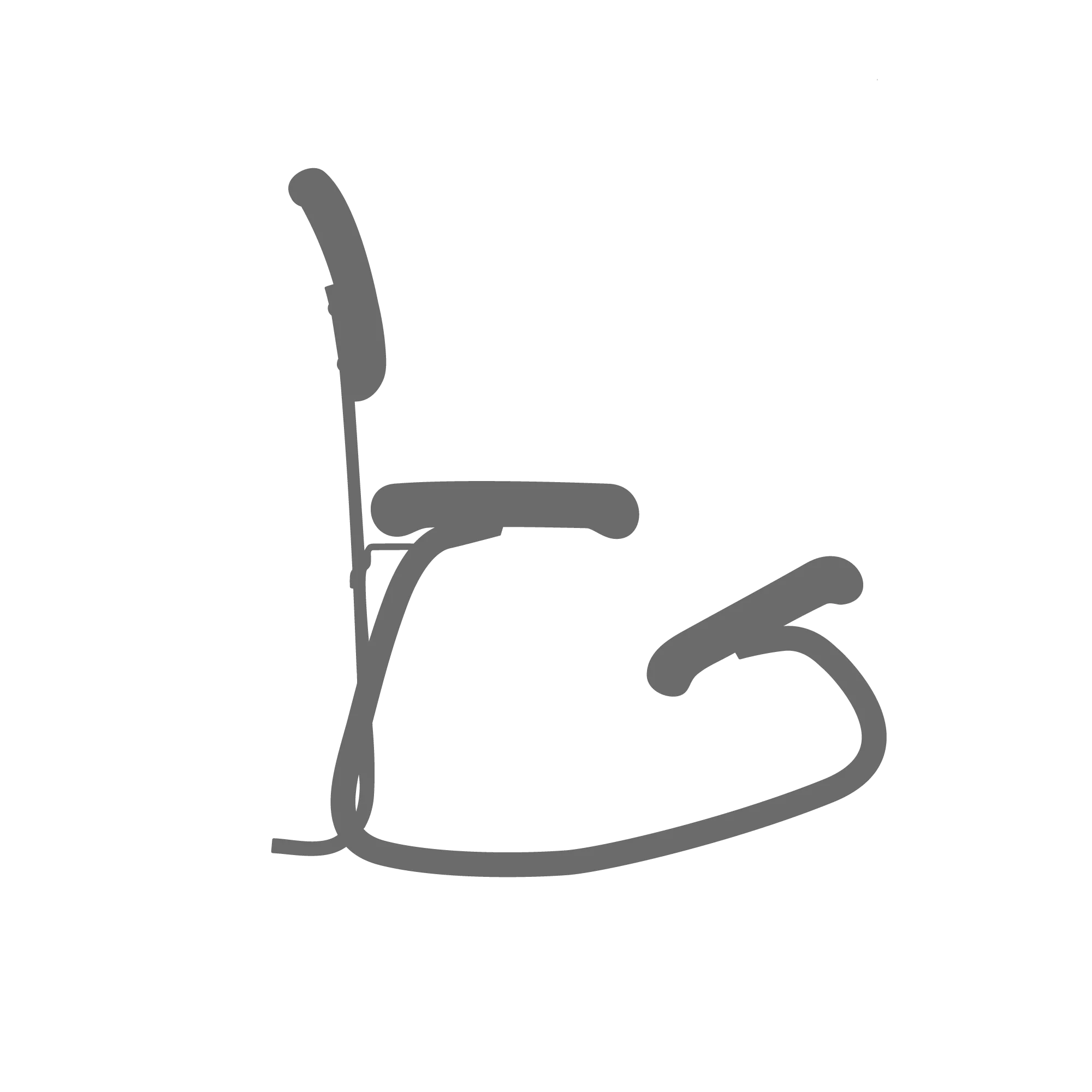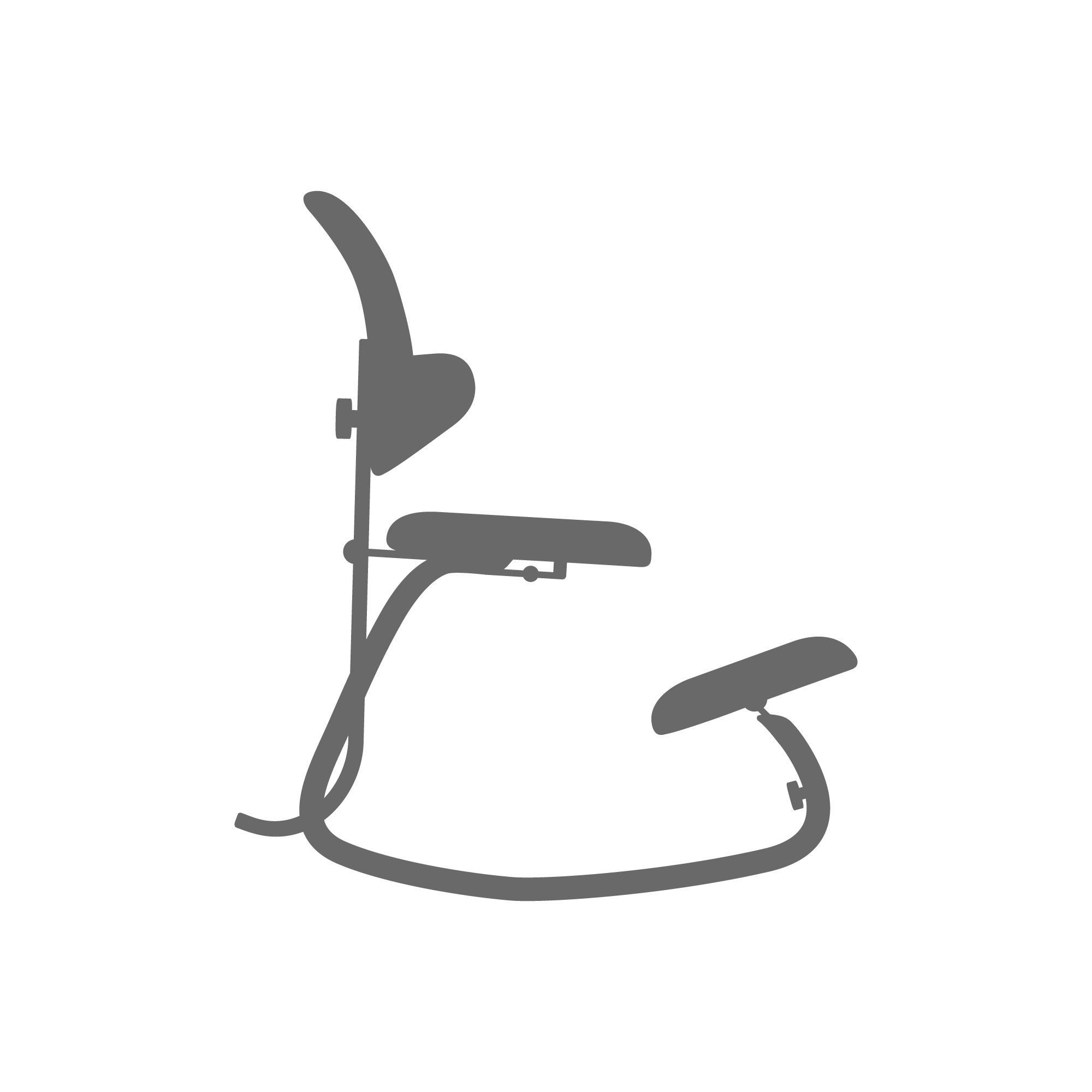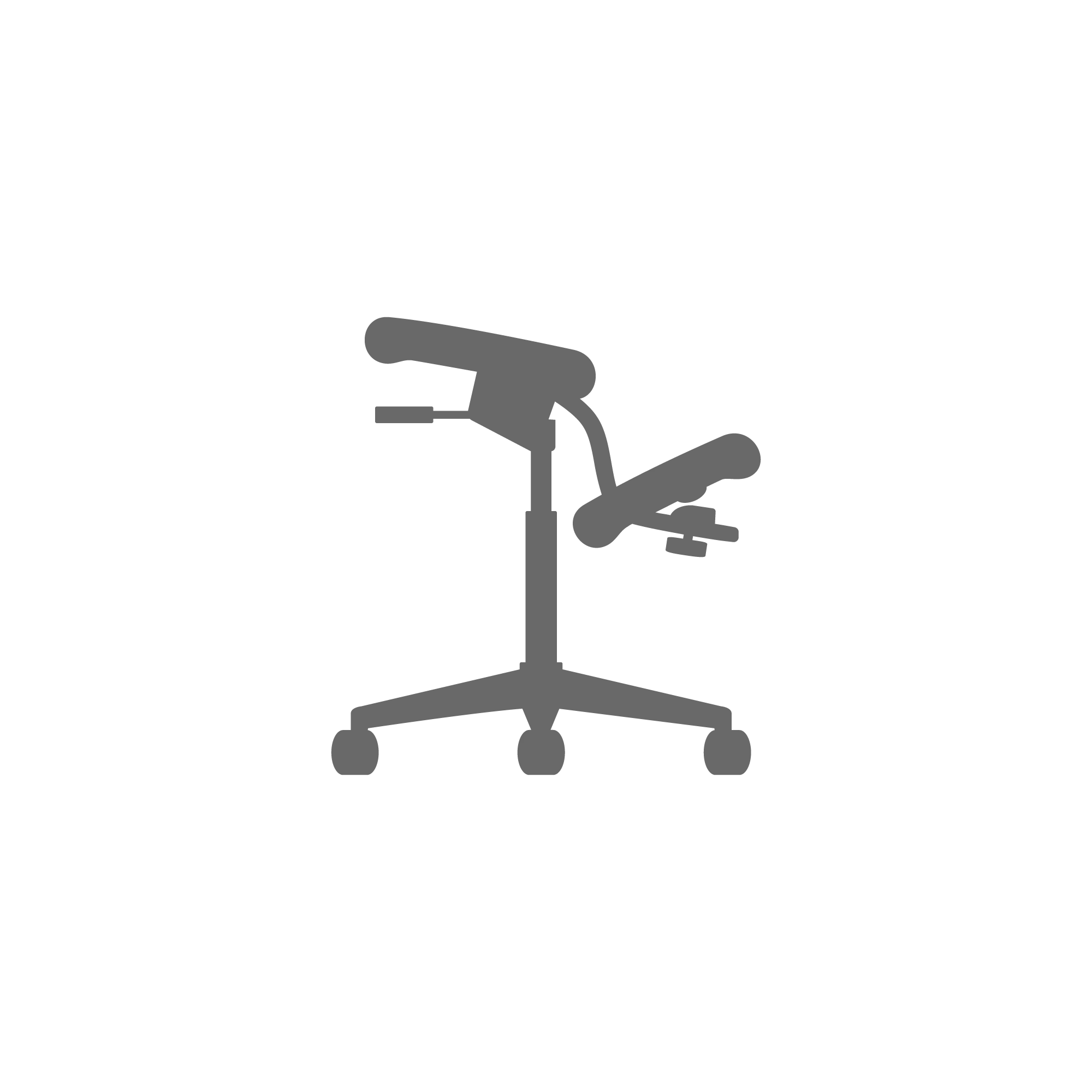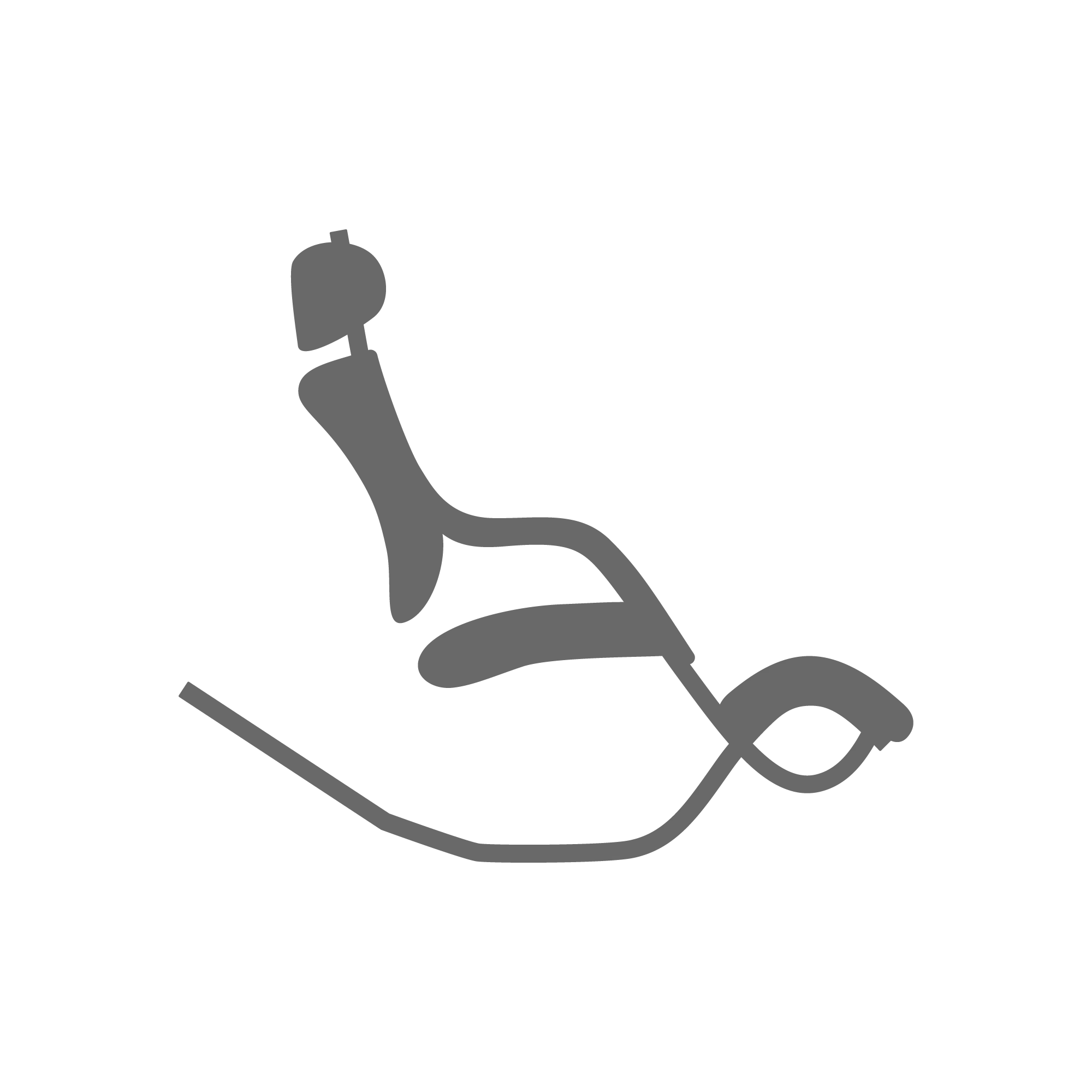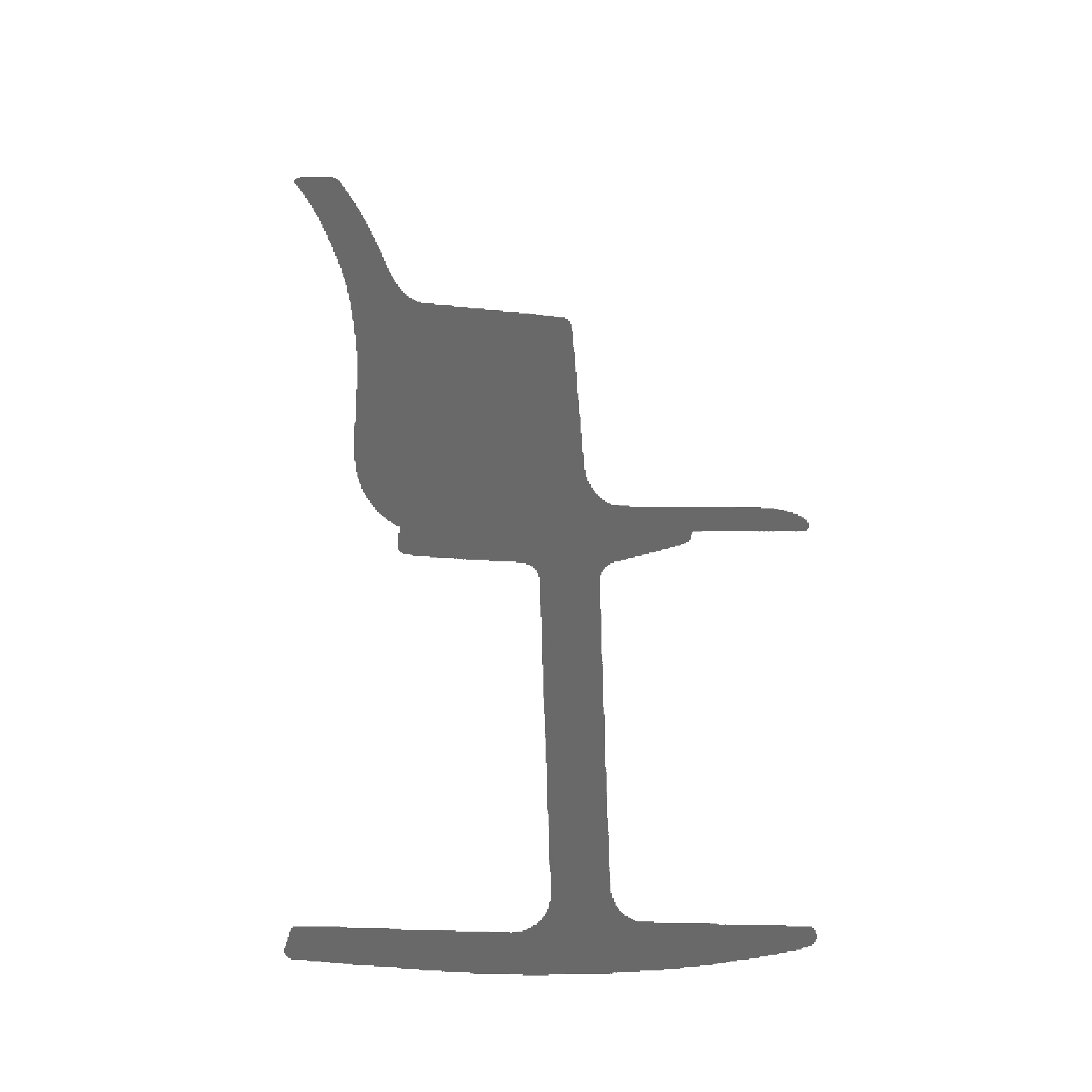
Both an ergonomic kneeling chair and a balance ball are sometimes recommended as desk seats. Both encourage micro-movement; both are framed as alternatives to a static office chair. They are not the same chair in two formats. The Variable Balans is a designed kneeling chair from 1979 with a forty-seven-year track record; a balance ball is an exercise ball pressed into desk service. This page sets out the difference for buyers considering one against the other.
This sits inside the broader comparison hub.
At a glance
| Axis | Kneeling chair | Balance ball |
|---|---|---|
| Origin as desk seat | Designed for desk use, 1979 | Exercise equipment, repurposed |
| Stability | Stable forward-tilted seat with rocker base | Inherently unstable; constant correction |
| Hip angle | Open via seat geometry | Variable depending on ball inflation and posture |
| Backrest | None or fixed depending on model | None |
| Visual presence | Norwegian furniture in a home office | Gym equipment in a home office |
| Long-day endurance | Full workday after adaptation | Typically shorter intervals |
The functional difference
A balance ball asks your core to do constant micro-corrections to keep you upright. Some users find that genuinely helpful for short focused intervals; few find it sustainable for full workdays. A kneeling chair gives you a stable forward-tilted seat with the hip angle already opened — your spine settles in alignment without the constant balance demand.
Side by side
Endurance. Most balance-ball users rotate it in for an hour or two and back to a regular chair. Variable users settle in for the workday after the adaptation period.
Posture quality. A balance ball improves posture only when you actively engage your core. Lose focus and you slump on it. The Variable’s geometry holds the posture for you.
Build language. A Variable is Norwegian furniture. A balance ball is a vinyl ball. The home-office aesthetics diverge.
Which is right for you?
Choose a balance ball if you specifically want core engagement during short desk intervals and accept it is not the full workday solution. Choose a kneeling chair if you want a chair that holds the active-sitting posture through long days at the screen without requiring constant balance work. The best for posture guide covers the kneeling-chair-side reasoning in more detail.
Frequently asked questions
Is a balance ball as ergonomic as a kneeling chair?
Different mechanism. The balance ball requires active engagement; the kneeling chair sets the geometry and lets the spine settle. For sustained workday use, the kneeling format is the more practical answer.
Will a balance ball strengthen my core?
Some users report core engagement; others find they slump on it just as readily as on a regular chair. Sustained core training is better done with intentional exercise than passive sitting.
Can I use both?
Some users do — Variable for the workday, balance ball for short focused intervals. The Variable carries the load.
Does a balance ball reduce back pain?
It can in the short term by changing the load distribution. Many users report the effect tapers as they slump into the ball over time.
Is a kneeling chair more expensive than a ball?
Considerably. The Variable is built as multi-decade furniture; a balance ball is a fitness consumable.